
NAPEO
November 2026
THIS MONTH'S FOCUS: Tech, Data and Innovation
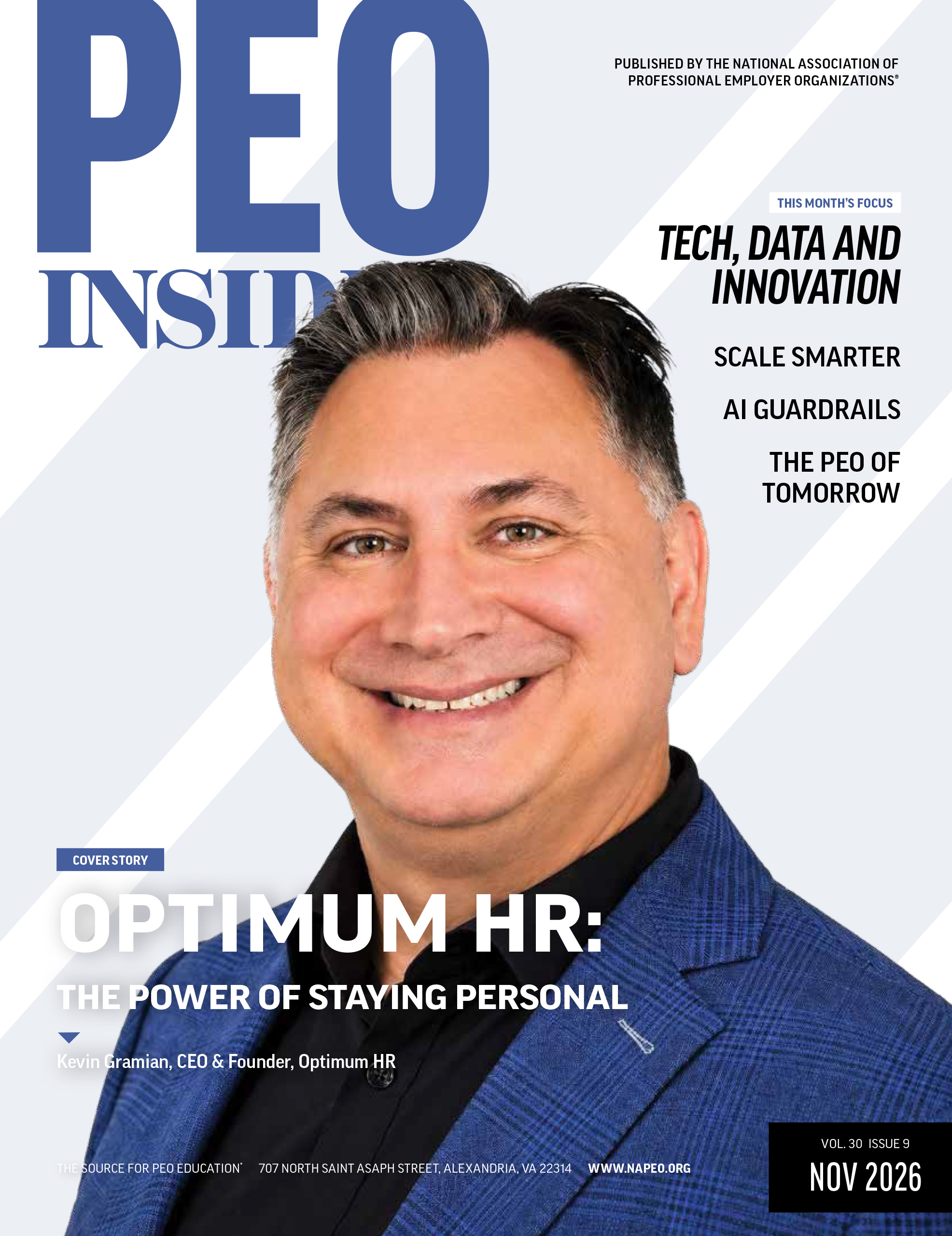
Optimum HR: The Power of Staying Personal
At a time when businesses across industries are embracing artificial intelligence, chatbots and automated customer service, Optimum HR is taking a decidedly human approach to its client relationships.
BY CHRIS CHANEY
November 2026CONTENTS
FEATURED

TECHNOLOGY ENABLES A MORE FLEXIBLE WORKFORCE PARTNERSHIP
Flexibility is not simply offering more products or services. It is giving employers the freedom to choose the level of partnership that makes sense for their business and the ability to change that level as their needs change.
BY JIM NEVE
November 2026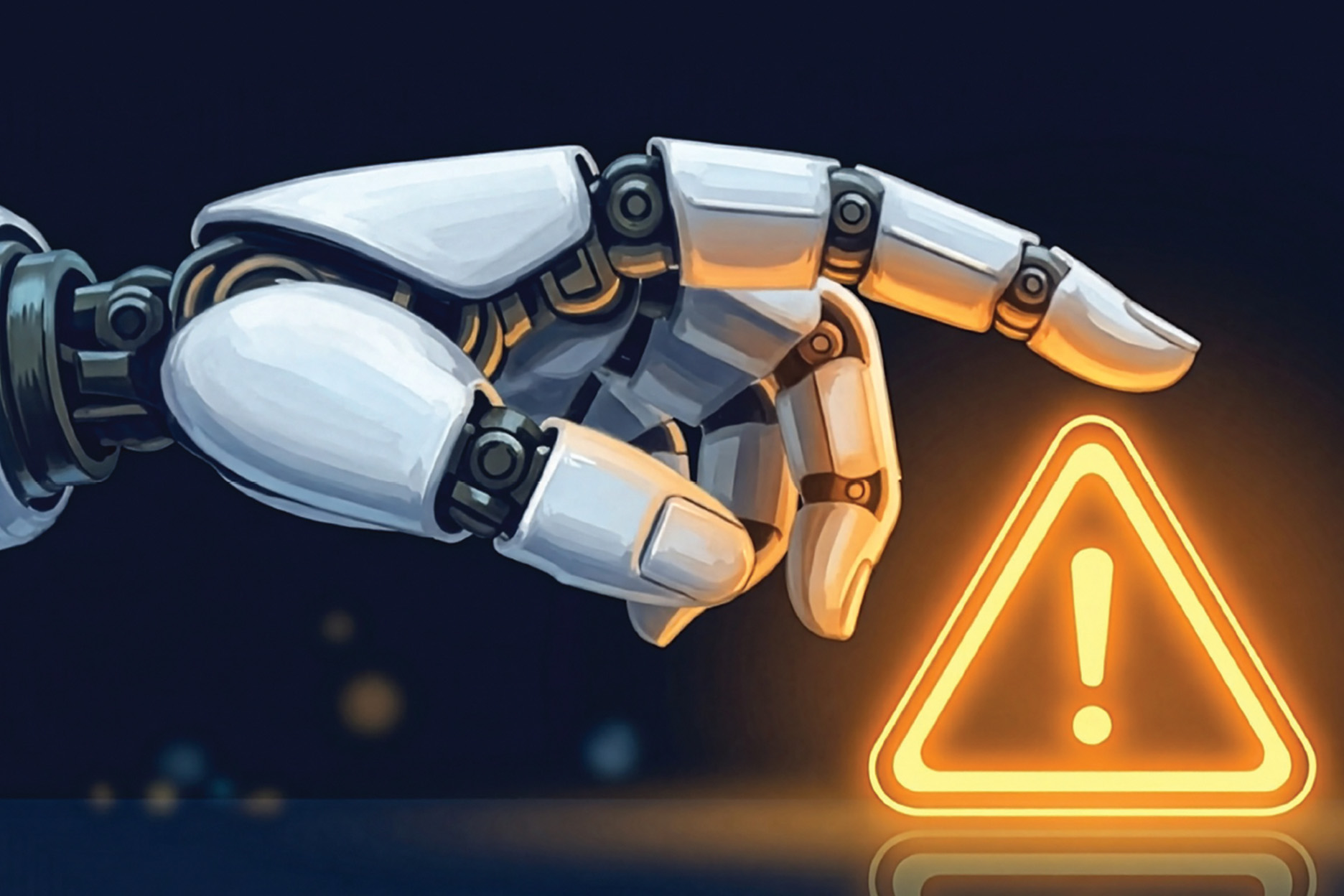
DECIDE HOW YOUR PEO SHOULD OPERATE BEFORE AI DOES
One assumption surrounding AI is that more automation will naturally make managers’ jobs easier. Sometimes it will. But as AI becomes more autonomous, some management work may simply move.
BY TOM DEEN
November 2026
TRUST AT THE SPEED OF AI: FOUR PRIORITIES FOR PEO LEADERS
The organizations finding real success with AI are obsessed with outcomes. Start with the problem you’re trying to solve, and ask good questions.
BY DR. SAMI MIAN
November 2026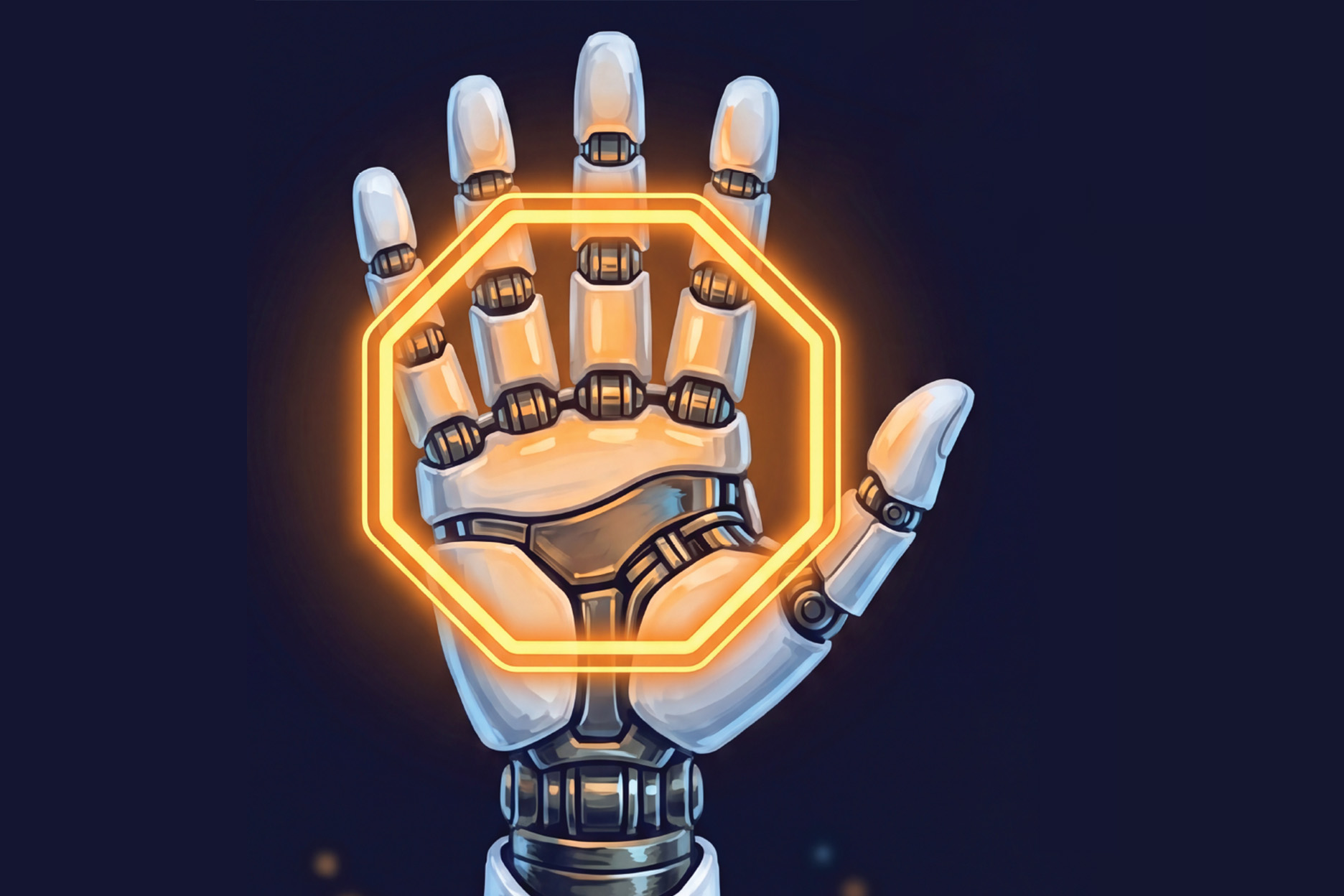
THE SMARTEST AI KNOWS WHEN TO STOP
Much of the AI industry has poured its energy into making models better at answering. High-consequence environments demand a less celebrated skill: the ability to stop.
BY NAMI BARAL
November 2026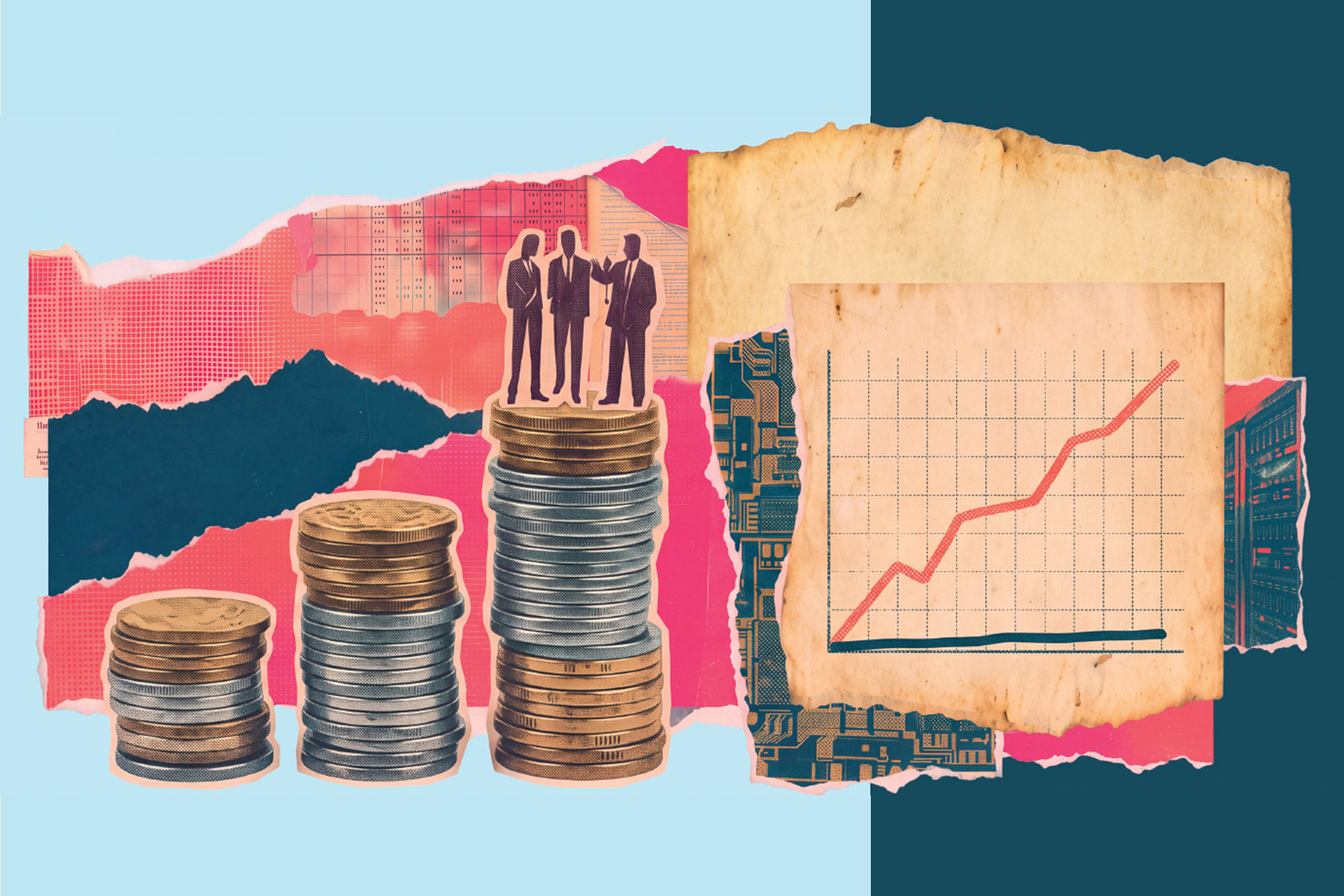
AI AND PROFITABILITY: HOW PEOS CAN USE AI TO IMPROVE PROFIT MARGINS
Rather than making AI implementation a threatening cost-cutting exercise, it can become a growth strategy your team can actually get behind.
BY ISH BAID
November 2026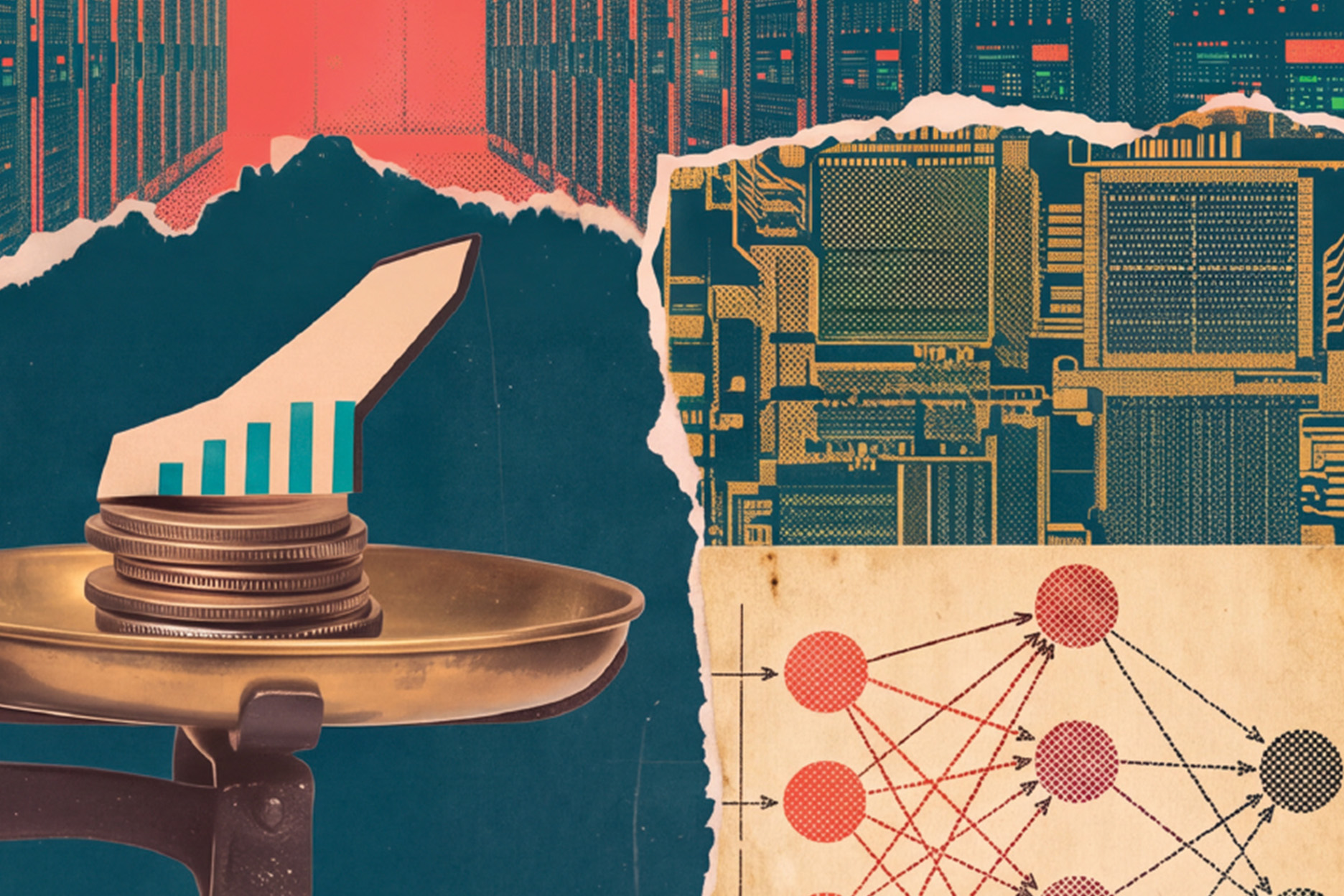
AI, EMPLOYMENT AND THE PEO OPPORTUNITY
AI is making work cheaper, but cheaper work does not automatically mean fewer workers. It can also mean more customers, more viable businesses and more demand for the services those businesses provide.
BY JOHN SLAVIC
November 2026ADVERTISEMENT


TRACKS

“Most importantly, NAPEO membership creates a unified industry voice that helps make all our businesses stronger.”
BY BILL MANESS
November 2026AI SHOULD FREE US TO THINK BIGGER
Implementing AI here creates more space for analysis and judgement, the highest impact work that the aforementioned specialist can bring to the table.
BY LISA WANG
November 2026AI IN PEO: MAPPING AN OPERATIONAL CHAIN
The PEOs getting real value from AI aren't the ones with the most tools. They're the ones who mapped a real operational chain.
BY JAKE ROSENTHAL
November 2026
“Research shows that trade association membership can deliver significant business value, from stronger financial performance and risk management to greater credibility and innovation.”
BY CASEY M. CLARK
November 2026FROM DATA OVERLOAD TO ACTION: TURNING WORKFORCE DATA INTO BETTER DECISIONS
PEOs are uniquely positioned to help employers manage the workforce data they must track. PEOs add value by interpreting the data and translating what it means for the business.
BY GABRIEL CUELLAR
November 2026HR COMPLIANCE AT SCALE: WHAT TECHNOLOGY HAS TO DELIVER
Employment law does not arrive labeled by which documents it changes. A single amendment can reach a handbook policy, a required notice, a training module, and an onboarding procedure at once.
BY SHON HOLYFIELD
November 2026WHEN THE ALGORITHM DISCRIMINATES, WHO PAYS?
PEOs grew when the Affordable Care Act made employment compliance too complicated for a 20-person company to manage alone. AI regulation is the next version of that problem.
BY KRISTEN FRADIANI
November 2026AI IN HR: WHERE IT’S HEADED AND WHAT PEOS SHOULD KNOW
The challenge for PEOs isn’t in evaluating technology, it’s in the role of what will the human still do after the technology has done its part.
BY CARY GRIGG
November 2026AFTER THE FILE IS SENT: WHERE CARRIER FEEDS ACTUALLY BREAK
PEOs that treat feeds as an infrastructure function with monitoring and clear ownership run into the same carrier quirks as everyone else. They just find out about them in days instead of quarters.
BY TYLER PRIEST
November 2026WHAT PEOS ARE GETTING RIGHT AND WRONG ABOUT AI
The next investment in AI may not need to be another tool. It may be training.
BY RONDA McCULLOUGH
November 2026ADVERTISEMENT

