
NAPEO
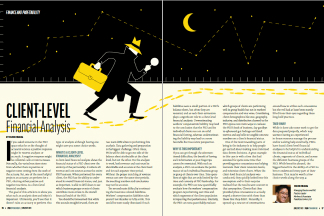
For years in my career in supply chain, logistics, operations, and now the PEO industry, a common question that has come up for me is, how can we design better processes to have people do more valuable work and solve interesting and important problems? My Six Sigma training and certification reinforced this mindset: some of the greatest gains come from identifying process inefficiencies, eliminating redundancies, and creating more time for critical thinking and higher-value work.
In many operating environments, very smart and skilled individuals still spend a lot of time on things that are important and repetitive. For example, looking at spreadsheets, getting information from several different systems, building multiple versions of the same reports and presentations, watching for new developments in external portals, and AI has the ability to take away some of that operational friction and allow people to analyze more, and make better decisions for their clients and the business.
We saw this firsthand at Justworks. When looking at how unemployment claims operations reports were prepared, a specialist may spend hours downloading data from multiple systems, reconciling discrepancies, formatting spreadsheets, and summarizing updates before the real work even begins. AI can automate many of these manual steps by consolidating data, identifying inconsistencies, and generating an initial report draft.
Instead of spending the majority of their time assembling and extracting information, specialists can spend it asking why unemployment claims trends are changing, identifying risks and outliers, and recommending actions that improve outcomes for the business and its clients. Implementing AI here creates more space for analysis and judgement, the highest impact work that the aforementioned specialist can bring to the table.
Justworks manages relationships with thousands of tax authorities and jurisdictions across the U.S., owns entities in 50 countries, negotiates and administers health insurance risk pools covering hundreds of thousands of people with major carriers, manages thousands of small businesses within a single high-functioning workers’ compensation policy, and manages tight integrations with dozens of providers to automate workflows around things ranging from IT provisioning to business insurance. We own critical outcomes, like making sure teams get paid on time, for our 15,000+ small business customers.
AI has given us the opportunity to reimagine how we deliver those outcomes, it’s changed the way we work to find that repeatable work, adapting it with new systems powered by AI, and freeing up our talented team to focus on high impact problem solving and decision making.
With AI, teams don’t have to be constrained by admin work. They can identify risks sooner, respond to client questions faster, test new ideas and accelerate feedback loops to get to solutions more quickly.
The PEO industry is no stranger to complexity. AI can help simplify the repeatable work so we can all show up for our customers when it matters most. AI is becoming a force multiplier for human expertise rather than a replacement for it.
-
SHARE
- Copy to clipboard
RELATED ARTICLES
2023 DIGITAL TRENDS
Lorem ipsum is simply dummy text of the printing and typesetting industry. Lorem Ipsum has been the industry’s standard dummy text ever since the 1500s, when an unknown printer took a galley of type and scrambled it to make a type specimen book. It has survived not only five centuries, but also the leap into …
BY James Joyce
June/July 2023
AI IN CYBERSECURITY: THE GOOD, THE BAD AND BEING ON THE PRECIPICE OF A NEW ERA IN TECHNOLOGY
As you might expect with cybersecurity, battlelines are being drawn between the people creating AI solutions to help protect companies and the people making AI software that is designed to find vulnerabilities in areas designed to protect data; systems; financial and personal information; intellectual property (IP); and Industrial Internet of Things (IIoT) and other IoT devices.
BY Dwayne Smith
September 2023
ASK THE EXPERT: A Q&A WITH PAUL NASH OF BEAZLEY
Paul Nash is an employment practices liability (EPL) underwriter with Beazley. He is the EPL and Safeguard product leader for both the UK and US teams and was instrumental in developing the first SAM/SML policy issued by Beazley in 2006. He has more than 30 years of experience in the insurance. He recently spoke with Paul Hughes of Libertate Insurance about the state of the EPLI market, how he has seen the PEO industry evolve and more. PEO Insider captured their conversation.
BY PAUL HUGES
August 2023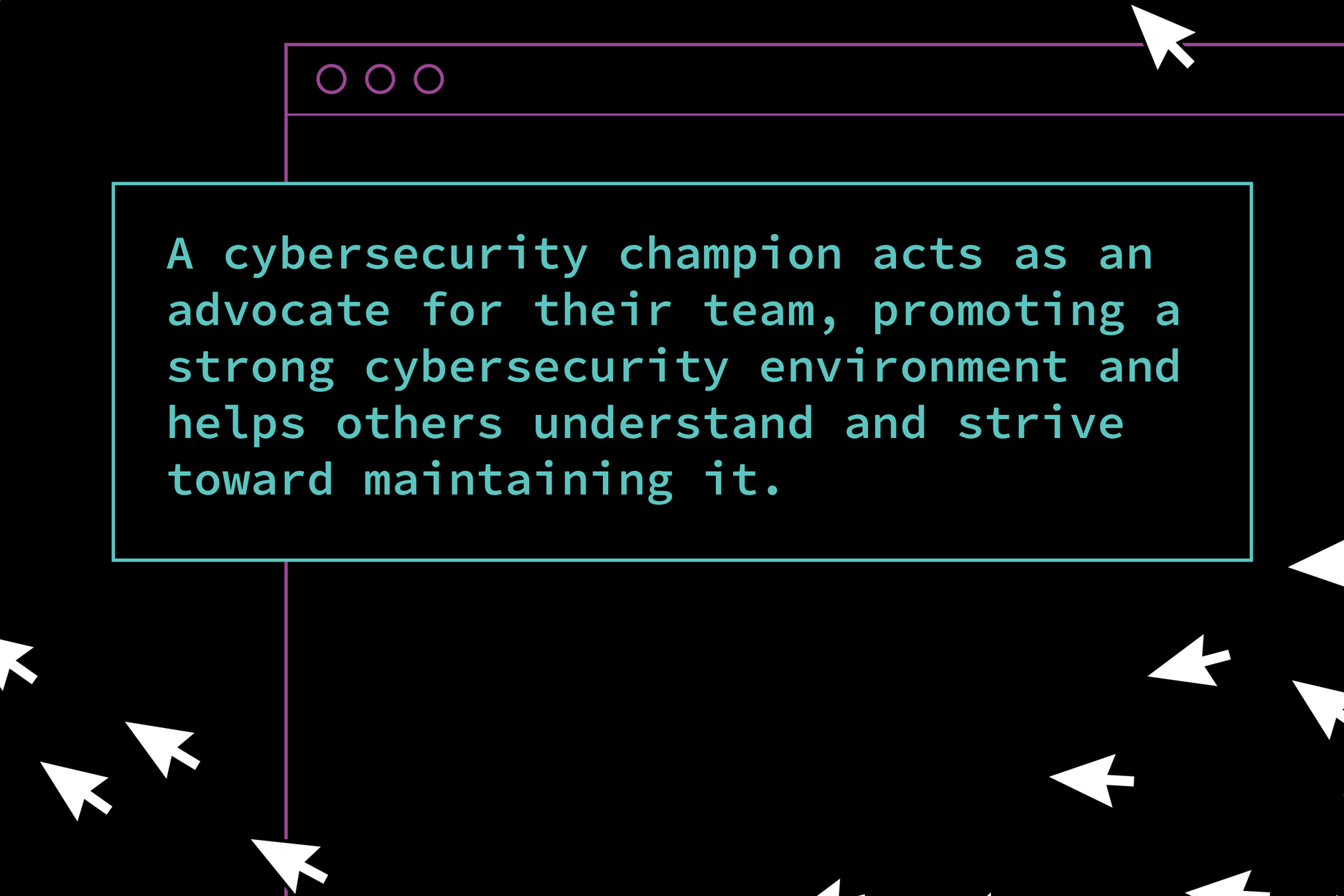
WHY CYBERSECURITY SHOULD NOT BE THE SOLE RESPONSIBILITY OF THE IT DEPARTMENT
Cybersecurity is an essential aspect of business operations, which is why it cannot be viewed as the sole responsibility of the IT department. Cybersecurity threats evolve daily and organizations can best prepare and protect themselves by taking a shared responsibility to protect the company’s assets and data.
BY Jenna Marceau
March 2023