
NAPEO
AI is everywhere. It can write an email. Summarize a meeting. Research a prospect. Create content. Analyze information. Help prepare for a sales conversation. For PEOs, the possibilities are significant.
But simply using AI and using it strategically are two very different things. At LeadG2, we recently took a closer look at PEO responses from our Revenue Enablement in the AI Era research. We wanted to understand how PEO organizations are using AI, where it is helping, and where some of the biggest opportunities may still exist.
One finding immediately stood out. Ninety percent of PEO respondents cited a lack of training and internal expertise as their number-one barrier to AI adoption. The technology may be moving quickly. But for many PEOs, the bigger challenge is figuring out how to put it to work in the right places.
EFFICIENCY IS A GOOD PLACE TO START
PEOs are already finding practical uses for AI. One of the most common applications among respondents was automating content and follow-up emails. That makes sense. These repetitive tasks take time, and AI can help sales and marketing teams work more efficiently. But efficiency is only part of the opportunity.
Our research found that 60 percent of PEO respondents identified demonstrating ROI and value to decision-makers as a top sales challenge. Half cited differentiating from competitors or brokers, and half pointed to navigating long sales cycles and multiple stakeholders. Yet creating personalized proposals or ROI models was among the least common ways respondents were using AI.
That’s an interesting disconnect. PEOs are using AI to make some of the easier work faster while one of their hardest sales challenges remains largely untouched.
THE BIGGER OPPORTUNITY MAY BE FURTHER DOWN THE FUNNEL
A PEO sale can involve an HR leader, CFO, and business owner, and each may look at the decision differently. AI can help sellers prepare for these conversations, organize and analyze account information, personalize messaging, and build stronger value narratives for individual decision-makers.
But AI should support expertise, not replace it. In our research, personalized pitch decks and HR thought leadership ranked among the most effective content for winning new PEO clients, followed by industry case studies.
Buyers still value expertise, credibility, and information relevant to their specific situation. AI can help PEO teams deliver that expertise more efficiently and personally, but the expertise still has to be there.
ALIGNMENT COMES BEFORE AUTOMATION
Technology alone won’t solve an alignment problem. Eighty percent of PEO respondents said sales and marketing were only partially aligned on ideal customer profile definitions and messaging. Only one in 10 reported being fully aligned.
Consider what happens when AI is added to that environment. If marketing has one definition of the ideal customer and sales has another, AI doesn’t fix the disagreement. If teams aren’t aligned on the problems they solve or the value they provide, AI doesn’t create that strategy for them. It may simply help everyone produce more inconsistent messages, faster.
Before automating more, PEOs should get clear on the fundamentals: Who are our best prospects? What matters most to them? What problems are we uniquely equipped to solve? How should that story be communicated throughout the buyer’s journey?
GOOD AI NEEDS GOOD DATA
AI depends on the information behind it. Only two in 10 PEO respondents reported having a CRM in their revenue enablement stack. None said they were very confident in the accuracy of their CRM or AI data. That matters.
PEO sales can involve long buying cycles, multiple contacts, and significant account history. Without reliable data, it becomes harder to maintain visibility into those relationships and limits what AI can effectively do. Lead scoring, account-based targeting, renewal forecasting, and other advanced AI applications depend on useful information.
Before investing in the next AI tool, ask a more basic question: Do we trust the data we’re giving it?
DON’T FORGET THE PEOPLE
One of the most important findings comes back to the people using the technology. Sixty percent of PEO respondents said they are still in the early exploration stage with AI. Only one in 10 said AI is deeply integrated into daily workflows. And 90 percent pointed to a lack of training and internal expertise as the biggest barrier to adoption.
The next investment in AI may not need to be another tool. It may be training. It may be establishing clear guidelines for how AI should be used. It may be helping employees identify where AI can make their work better and where human judgment still matters most. Technology becomes more valuable when people know what to do with it.
START WITH THE PROBLEM, NOT THE AI
There will always be another AI tool to consider. The goal doesn’t have to be adopting all of them. Instead, PEO leaders can start with the business problem.
Where are sellers getting stuck? Where are prospects struggling to see value? Where are teams spending time on repetitive work? Where could better information help someone make a stronger decision? Then ask whether AI can help.
The PEOs that get the most value from AI may not be the ones using the most technology. They may be the ones most intentional about where they use it, give their teams the training to use it well, and have the data and alignment needed to support it.
The question isn’t simply, “Are we using AI?” A better question may be: “Are we using AI to solve the right problems?”
About the research. The PEO findings in this article are based on additional analysis of PEO industry participants in LeadG2’s 2025 Revenue Enablement in the AI Era survey, which included 154 total respondents. Because the PEO findings represent a subset of the larger study, they are best viewed as directional insights and conversation starters rather than definitive industry benchmarks.
-
SHARE
- Copy to clipboard
RELATED ARTICLES
2023 DIGITAL TRENDS
Lorem ipsum is simply dummy text of the printing and typesetting industry. Lorem Ipsum has been the industry’s standard dummy text ever since the 1500s, when an unknown printer took a galley of type and scrambled it to make a type specimen book. It has survived not only five centuries, but also the leap into …
BY James Joyce
June/July 2023
AI IN CYBERSECURITY: THE GOOD, THE BAD AND BEING ON THE PRECIPICE OF A NEW ERA IN TECHNOLOGY
As you might expect with cybersecurity, battlelines are being drawn between the people creating AI solutions to help protect companies and the people making AI software that is designed to find vulnerabilities in areas designed to protect data; systems; financial and personal information; intellectual property (IP); and Industrial Internet of Things (IIoT) and other IoT devices.
BY Dwayne Smith
September 2023
ASK THE EXPERT: A Q&A WITH PAUL NASH OF BEAZLEY
Paul Nash is an employment practices liability (EPL) underwriter with Beazley. He is the EPL and Safeguard product leader for both the UK and US teams and was instrumental in developing the first SAM/SML policy issued by Beazley in 2006. He has more than 30 years of experience in the insurance. He recently spoke with Paul Hughes of Libertate Insurance about the state of the EPLI market, how he has seen the PEO industry evolve and more. PEO Insider captured their conversation.
BY PAUL HUGES
August 2023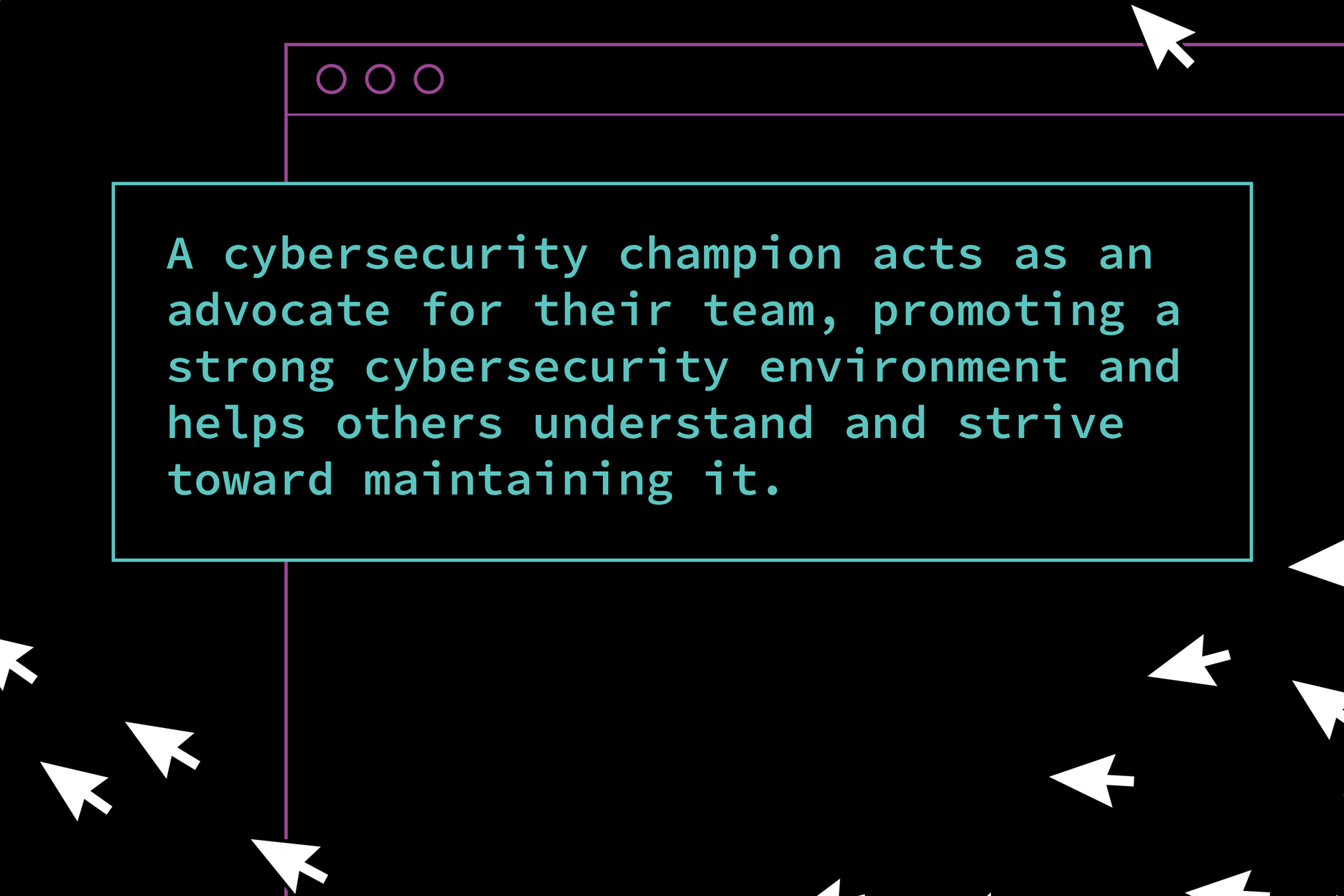
WHY CYBERSECURITY SHOULD NOT BE THE SOLE RESPONSIBILITY OF THE IT DEPARTMENT
Cybersecurity is an essential aspect of business operations, which is why it cannot be viewed as the sole responsibility of the IT department. Cybersecurity threats evolve daily and organizations can best prepare and protect themselves by taking a shared responsibility to protect the company’s assets and data.
BY Jenna Marceau
March 2023