NAPEO
SHAPING TRUST IN THE AI BUYER JOURNEY: FROM VISIBLE TO RECOMMENDED
Part Three of a Three-Part Look at How AI Is Reshaping the PEO Buyer Journey
June/July 2026
Here’s a number worth sitting with: 94% of B2B buyers now use large language models (LLMs) during their purchase journey. Think ChatGPT, the tools that answer questions in plain language instead of returning a list of links. At the same time, only 11% of B2B brands have the majority of their content ready for AI discovery. The gap between your current content and how buyers are actually researching is where business growth is being won and lost right now.
This is the third article in a series examining how AI search is reshaping the PEO buyer journey and what leaders can do about it. The first two covered clarity and consistency of message: what makes you readable and interpretable by machines. This one closes the framework: why going deep on trust indicators can make you not only readable but recommended. In a category as notorious for parity as PEO, a strategy for standing out is no longer optional.
A quick recap of what the first two articles established:
Clarity is the entry point. Broad positioning like “full-service” or “end-to-end solutions” gives AI tools almost nothing to work with. Specific language about who you serve and where your expertise is most relevant to your audience is what gets you recognized in the right AI-generated answers.
Consistency is what makes clarity stick. AI systems pull signals from every place your brand appears online: your website, social profiles, third-party directories, review platforms. When your message aligns across those sources, AI tools can interpret your positioning with confidence. When your website says one thing, your LinkedIn says another, and your directory listings are two years out of date, you become harder to place and easier to skip.
Together, clarity and consistency determine whether you earn a place in the employer’s consideration set. But in a category where most PEOs offer a similar menu of services, being in the consideration set is just the beginning. The real opportunity is getting recommended. That requires building the kind of trust that AI tools treat as validation.
ADDRESS YOUR BUYER’S CHALLENGES IN THEIR LANGUAGE
AI tools match content to the vocabulary of the question being asked, and buyers ask questions in the language of their world, not yours.
A healthcare practice administrator isn’t searching for “comprehensive PEO solutions for the healthcare vertical.” She’s asking: “How do I manage HR compliance for a medical practice with locations in multiple states?” A construction company owner isn’t looking for “workforce management for the trades.” He’s asking: “What’s the best way to handle workers’ comp and payroll for a crew that works across job sites?”
When there’s a mismatch between how your buyers ask and how your content answers, the connection misfires. The fix is a shift in perspective: lead with their problem, in their words, before you ever mention your solution.
DEMONSTRATE PROFICIENCY IN THEIR PAIN POINTS
Speaking your buyer’s language helps you gain visibility. Depth of expertise in their industry and challenges tells AI systems you’re a good fit.
AI tools weigh demonstrated depth as a proxy for expertise. A provider who only has healthcare listed as a vertical on their website loses out to the provider with a full healthcare page that walks through the specific compliance obligations, turnover pressures, and benefits complexity that healthcare operators actually navigate. To LLMs, the second provider has clearly done this work before.
The approach I recommend.
Longer, richer industry pages. A thorough industry page might cover:
- The workforce and compliance challenges specific to that industry
- The HR questions employers in that space ask most often
- Where PEO arrangements solve problems that are otherwise hard to manage alone
- What a typical engagement looks like for an employer in that situation
- Common concerns or misconceptions, answered honestly
FAQs written for your buyer. Most PEO websites answer questions about their products and services. That’s a fine start, but you also need the questions your actual buyers ask when they’re in market. Think: “Do I lose control of my employees if I use a PEO?” or “What happens to my benefits if my headcount drops?” An FAQ that answers those questions clearly does two things: it shows AI tools you understand the buyer’s world, and it gives them ready-made answers to pull from. That’s industry depth and buyer fluency working together.
Each piece of content that goes one level deeper than description is another credibility signal AI tools can interpret and use.
BUILD TRUST THROUGH THIRD-PARTY VALIDATION
Here is where many PEOs are making a costly mistake, investing in PR and treating it as trust-building without knowing how AI parses promotion from proof. Both matter, but they work in distinct ways. Most PR efforts build awareness and get you into the conversation. Association with select trusted sources and third-party validation signal AI to recommend you in search. In the AI world, credibility isn’t perceived like it is for humans. It’s assessed by an unemotional algorithm.
AI systems weigh trust signals above most other content formats. Here’s a good list of ways to begin establishing trust with AI systems:
Industry communities and peer platforms. Reddit, especially industry-specific communities where professionals ask each other for vendor recommendations, carries significant weight. LinkedIn recommendations, comments, and organic mentions function similarly, real people describing real experiences, independent from the vendor.
Third-party review platforms. G2, Capterra, Glassdoor, BBB, and Clutch provide structured, independently verified feedback. These platforms exist specifically to give buyers a trusted outside view, and AI tools know it.
Publications your buyer already trusts. Coverage in a healthcare industry publication, a construction trade journal, or a professional services business press reaches your buyer where they already go for information, and carries more weight with an AI tool than a mention in an HCM trade.
Certifications and recognized designations. IRS Certified PEO status, ESAC accreditation, NAPEO membership, BBB accreditation, and Chamber of Commerce affiliations are signals AI tools recognize as third-party validation. They belong prominently on your website and should appear consistently wherever your brand is described online.
On-site third-party voices. A testimonial that says “Great company to work with” tells an AI tool very little. A testimonial from a named HR director at a healthcare company that describes a specific compliance challenge and how it was resolved tells a story that validates expertise. The more specific, the more credible.
WHAT THIS MEANS FOR GROWTH
AI tools typically cite three to four brands per response. The vendors in those answers are shaping the buyer’s shortlist before any sales conversation begins, and the vendor ranked first wins approximately 80% of the time.
Most of the employers you want to reach are already doing AI-assisted research. Most PEOs haven’t yet built the buyer-language content, industry depth, or third-party trust ecosystem that earns recommendations. The standards in this category haven’t hardened yet. The PEOs that move now will enjoy an early lead.
WHAT TO DO NEXT: TURNING ADVICE INTO ACTION
Here is your roadmap for becoming not only AI-visible but AI-referred. In a competitive market with high stakes like PEO, being trusted and recommended by AI systems will become key to growth.
Rewrite for your buyer’s vocabulary. Audit your highest-traffic pages. Where you’re using industry language your buyers don’t use, shift to buyer language and lead with their problem before your solution.
Invest in industry page depth. Pick the one or two verticals where you win most consistently and build pages that go deep. Make them long enough to be genuinely useful. Again, build content from the buyer’s point of view.
Build an FAQ that earns its place. Review your existing FAQ against the questions your sales team actually hears. Replace generic questions with buyer-specific ones. If a prospect has asked it in a sales conversation, it belongs in your FAQ.
Audit your third-party presence. Check your listings on G2, Capterra, BBB, Clutch, and relevant industry directories. Make sure they’re accurate, current, and consistent. Encourage satisfied clients to leave specific, detailed reviews.
Seek coverage in your buyer’s publications. Identify two or three publications your target buyers read for industry news and pursue editorial opportunities there.
Make your on-site testimonials earn their place. Replace generic praise with specific, named client stories that describe a real situation and a real outcome. If you don’t have those yet, your next client conversation is a good place to start.
THE AI-ERA GROWTH FRAMEWORK, COMPLETE
Over this series, we’ve built a three-part structure for growth in an AI-shaped buying environment:
Clarity gives AI tools what they need to understand what you do and who you serve. Without it, you don’t get recognized.
Consistency gives AI tools what they need to trust that your message is reliable. Without it, you don’t stay in consideration.
Trust built through buyer-relevant language, demonstrated expertise, and third-party validation, gives AI tools what they need to recommend you over a competitor. Without it, you might be visible in AI search but not preferred.
For PEOs, this framework addresses one of the category’s oldest challenges: differentiating in a space where services look similar and buyers arrive with urgent need and limited understanding. The difference between providers can be hard to see from the outside. Being the PEO that made it easy for algorithms to understand can be the difference between being ignored and being chosen.
-
SHARE
- Copy to clipboard
RELATED ARTICLES
2023 DIGITAL TRENDS
Lorem ipsum is simply dummy text of the printing and typesetting industry. Lorem Ipsum has been the industry’s standard dummy text ever since the 1500s, when an unknown printer took a galley of type and scrambled it to make a type specimen book. It has survived not only five centuries, but also the leap into …
BY James Joyce
June/July 2023
AI IN CYBERSECURITY: THE GOOD, THE BAD AND BEING ON THE PRECIPICE OF A NEW ERA IN TECHNOLOGY
As you might expect with cybersecurity, battlelines are being drawn between the people creating AI solutions to help protect companies and the people making AI software that is designed to find vulnerabilities in areas designed to protect data; systems; financial and personal information; intellectual property (IP); and Industrial Internet of Things (IIoT) and other IoT devices.
BY Dwayne Smith
September 2023
ASK THE EXPERT: A Q&A WITH PAUL NASH OF BEAZLEY
Paul Nash is an employment practices liability (EPL) underwriter with Beazley. He is the EPL and Safeguard product leader for both the UK and US teams and was instrumental in developing the first SAM/SML policy issued by Beazley in 2006. He has more than 30 years of experience in the insurance. He recently spoke with Paul Hughes of Libertate Insurance about the state of the EPLI market, how he has seen the PEO industry evolve and more. PEO Insider captured their conversation.
BY PAUL HUGES
August 2023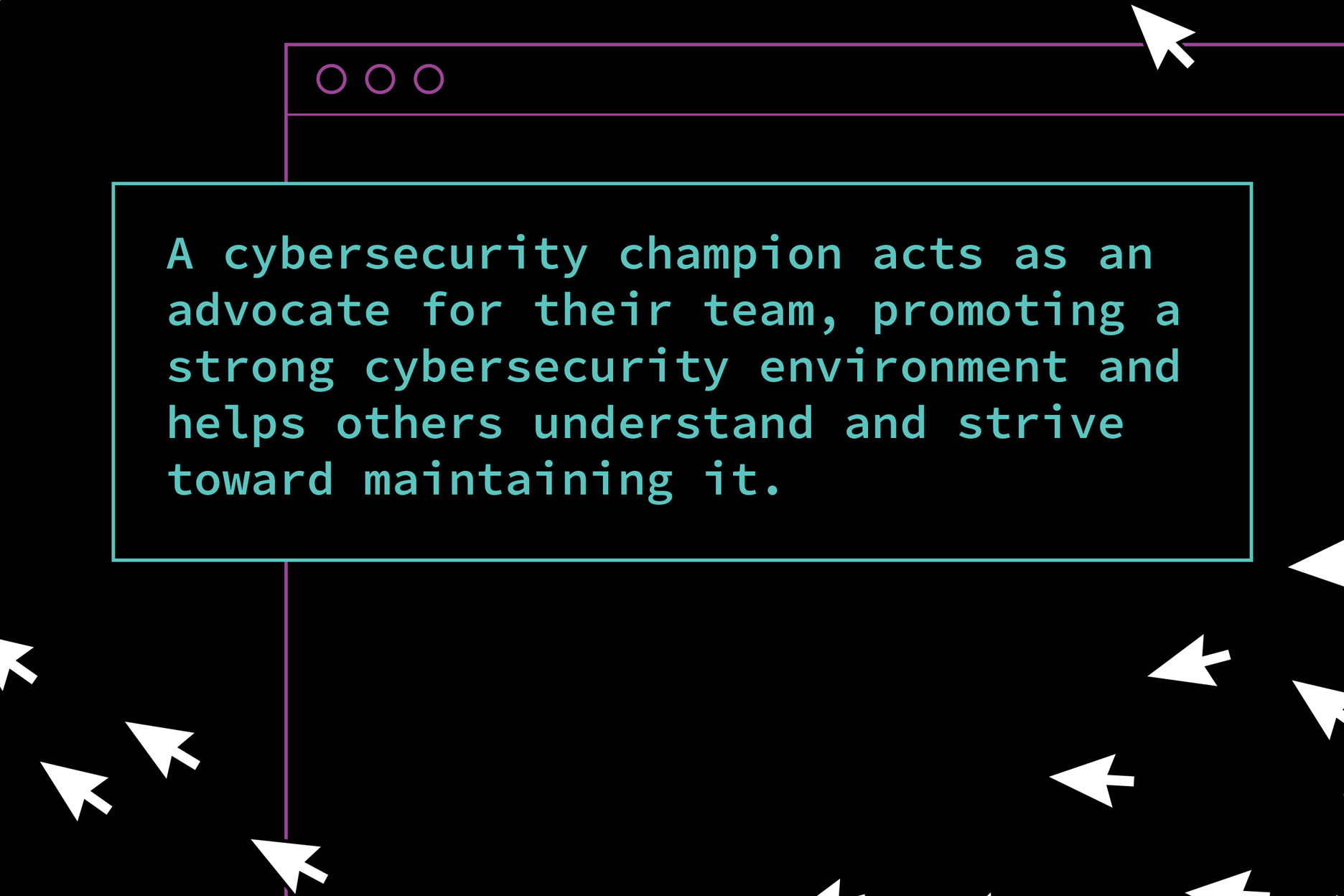
WHY CYBERSECURITY SHOULD NOT BE THE SOLE RESPONSIBILITY OF THE IT DEPARTMENT
Cybersecurity is an essential aspect of business operations, which is why it cannot be viewed as the sole responsibility of the IT department. Cybersecurity threats evolve daily and organizations can best prepare and protect themselves by taking a shared responsibility to protect the company’s assets and data.
BY Jenna Marceau
March 2023ADVERTISEMENT