NAPEO
PLANNING AHEAD FOR LASTING IMPACT: HOW YEAR-ROUND BENEFITS ENGAGEMENT CAN HELP ENHANCE THE WORKSITE EXPERIENCE AND FOSTER LONG-TERM PARTNERSHIPS
March 2026
Delivering positive employee experiences stands at the center of successful worksite partnerships, especially when it comes to offering workplace benefits. In fact, when benefits are thoughtfully designed, communicated, and delivered, they can become powerful tools for building stronger connections and supporting the success of worksites and their employees, helping to foster satisfaction, loyalty, and retention.
Yet, benefits management is becoming more complex. In fact, research from Guardian shows that nearly two-thirds of worksites with fewer than 50 employees strongly agree that benefits have become more complicated, underscoring the growing need for strategic engagement.
Starting early with deliberate and clear communication about the value of available benefits is key to laying the groundwork—particularly once open enrollment arrives. To get started, developing and following a strategic, annual roadmap for year-round benefits communications can help to transform the worksite experience in 2026 and well into the future.
Let’s jump in.
STRATEGIC TOUCHPOINTS FOR A SUCCESSFUL PARTNERSHIP
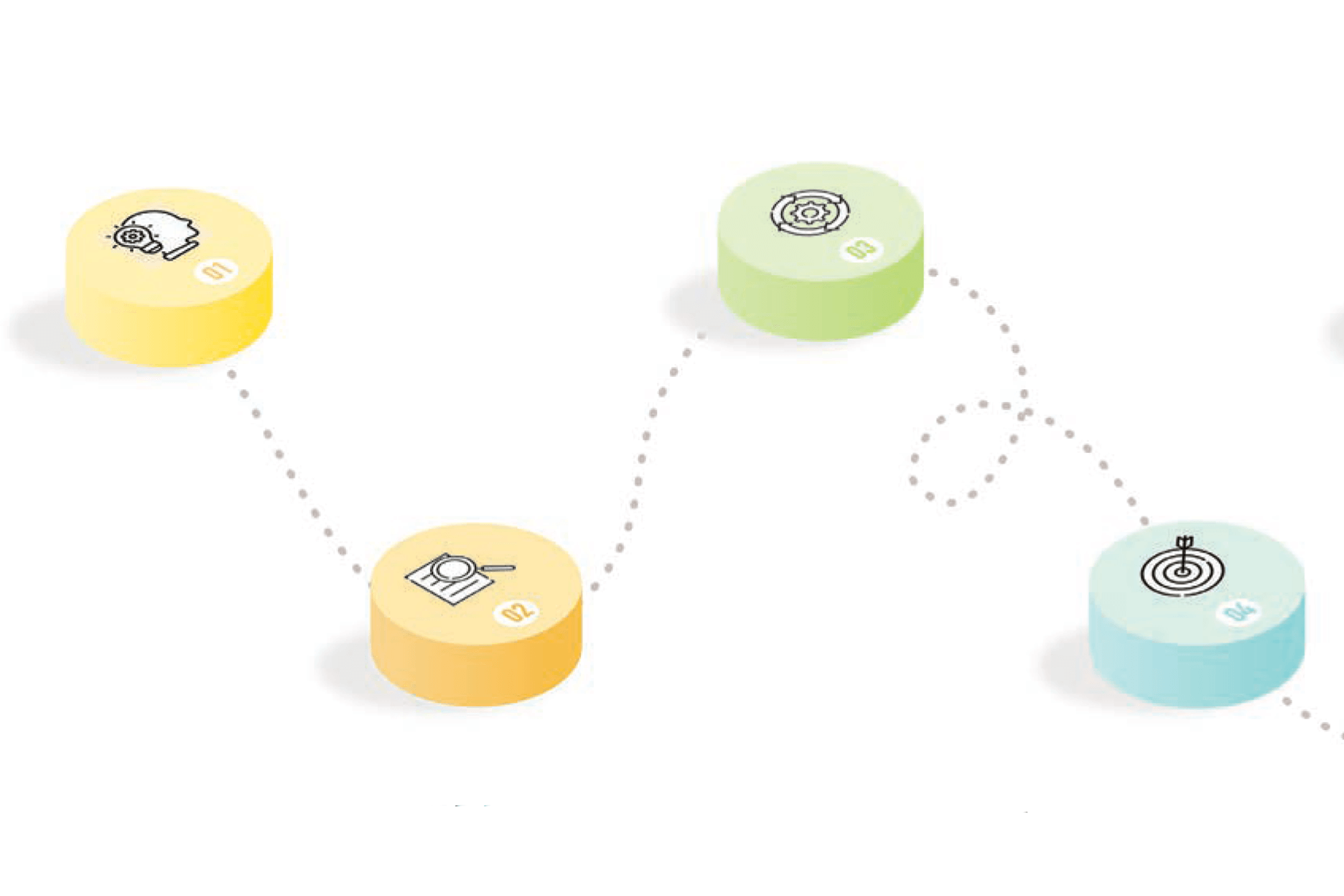
Because every worksite has unique goals and needs, this annual benefits engagement roadmap serves as a flexible framework—a foundation for ongoing interaction that can be customized for each worksite you partner with and its employees. While the roadmap aligns with a mid-fall open enrollment cycle, it can easily be adapted to different schedules, setting the stage for meaningful engagement year-round.
March – May: Foundation-setting and Strategic Vision
The early months of the cycle focus on laying the groundwork. Conducting technology evaluations and compliance readiness checks during this time can help to ensure that platforms and processes are current and reliable. Establishing expectations for transparency, frequent touchpoints, and multi-channel communications can also help to build trust from the outset.
Developing a communications plan early in the year—one that extends beyond open enrollment—is essential to providing ongoing engagement. By using a combination of resources and channels, organizations can reach employees wherever they are and work to foster continuous education throughout the year.
June – July: Plan Design and Technology Optimization
The middle of the year is often the perfect time to refresh and refine benefit plans. Drawing on benchmarking data and direct feedback from worksites can help ensure that offerings remain competitive and truly reflect worksite employee priorities. Connecting with carriers to learn how offerings can best meet a worksite’s specific needs and goals can also be highly beneficial.
Early summer is also time to begin implementing new digital tools—such as APIs or employee portals—that can serve to streamline the open enrollment process and ease administrative burdens for everyone involved. Embracing automation can especially help to enhance efficiency and strengthen communication in the leadup to and throughout the enrollment period.
Remaining proactive about regulatory changes is another crucial component of engagement. Addressing updates and sharing risk mitigation strategies with worksites helps to demonstrate a commitment to supporting worksites and their employees.
August – September: Pre-enrollment Alignment and Compliance Readiness
As open enrollment draws near, focus can now shift to finalizing plan updates and operational details. This time should be dedicated to ensuring every stakeholder—from HR teams to worksite leadership—is aligned and fully equipped for the upcoming busy season.
Testing data processes and reviewing compliance protocols help to position worksites for a seamless transition into open enrollment. Reconfirming mutual understanding of roles and responsibilities is another step to further strengthening collaborative worksite partnerships.
October – November: Seamless Execution and Employee Engagement During Open Enrollment
Open enrollment is the culmination of all planning and engagement conducted throughout the year so far. It’s when the foundation built earlier in the year comes together, helping to deliver a smooth and positive experience for worksite employees.
In practice, this means clear, proactive communication bolstered by decision-support tools and digital platforms. These elements are pivotal to making sure employees have the information they need, with Guardian finding that 89% of workers are confident in their benefits selection when they’re satisfied with the benefits communications they receive throughout the year from their employer.
December And Beyond: Continuous Post-enrollment Support, Feedback, and Forward-planning
The conclusion of open enrollment marks the beginning of ongoing support and learning. This starts with gathering feedback from worksites and their employees, generating insights that can inform future improvements and adjustments.
Continued education about enrolled benefits—including coverage details, claims processes, and support resources—helps to empower worksite employees to make the most of what’s available. Tactics ranging from town halls and worksite employee testimonials to peer-to-peer conversations can help ensure that individuals receive the information they need, in the way that’s most impactful for them, all year long.
Regular communication with worksites around topics such as onboarding new team members is also beneficial to keeping partnerships strong and adaptable.
Sustaining Long-term Worksite Partnerships Through Year-round Excellence
Fostering a positive worksite benefits experience calls for ongoing commitment and thoughtful collaboration. Integrating insights, technology, compliance, and trust into every phase of the annual benefits roadmap can help to establish a strong foundation for long-term success for your PEO and the worksites you serve.
Now is the time to embrace proactive planning and engagement. By building a strategic roadmap today, you can look forward to stronger partnerships—and greater impact—with each step forward.
-
SHARE
- Copy to clipboard
RELATED ARTICLES

HELP YOUR CLIENTS HIRE GLOBALLY IN MINUTES WITH AN EMPLOYER OF RECORD (EOR)
In today's interconnected world, scaling globally and building an international workforce offers numerous advantages — from accessing new markets to tapping into diverse talent pools — however, many companies struggle to figure out how to hire global talent easily and compliantly.
BY Nicole Forbes
September 2023
NAVIGATING THE CHANGING LANDSCAPE OF EMPLOYEE COMPENSATION AND BENEFITS
Rewards and benefits are a core part of the HR and People functions at any organization. As the Senior Director of People Experience at Oyster HR, a global employment platform with employees in 70+ countries, my team and I are responsible for the experience of our employees from the day they sign their offer letter to their last day with the company. That includes managing performance, progression, and total rewards.
BY MATT MCFARLANE
August 2023
ASK THE EXPERT: A Q&A WITH PAUL NASH OF BEAZLEY
Paul Nash is an employment practices liability (EPL) underwriter with Beazley. He is the EPL and Safeguard product leader for both the UK and US teams and was instrumental in developing the first SAM/SML policy issued by Beazley in 2006. He has more than 30 years of experience in the insurance. He recently spoke with Paul Hughes of Libertate Insurance about the state of the EPLI market, how he has seen the PEO industry evolve and more. PEO Insider captured their conversation.
BY PAUL HUGES
August 2023
THE ROLE OF EMPLOYEE ENGAGEMENT IN HIGHLY EFFECTIVE ORGANIZATIONS
Employee engagement is a vast construct that touches almost every part of human resource management. If every part of human resources is not addressed in appropriate ways, then employees will fail to fully engage themselves in their job as a response to such kind of mismanagement. The idea of employee engagement is built upon the foundations of earlier concepts like job satisfaction, employee commitment, employee performance, employee retention rate, organizational citizenship behavior, and the like. Though it relates to and encompasses such concepts, employee engagement is much broader in scope and function.
BY Carson King
February 2023ADVERTISEMENT