
NAPEO
PEOs that offer AI-driven learning management give SMB clients a scalable, proven path to better retention and workforce agility. With the right multi-tenant LMS infrastructure, PEOs can move from administrative vendor to strategic growth partner without adding significant operational overhead.
Payroll gets you in the game. Strategic execution keeps you there.
The PEO industry is approaching $414 billion in revenue, having quadrupled since 2012. As compliance and benefits become baseline expectations, forward-thinking PEOs are asking: what’s the next layer of value that earns a deeper client relationship? The answer is workforce learning and AI is making it more accessible, more scalable and more measurable for SMB clients.
WHY DO SMBS STRUGGLE WITH LEARNING AND DEVELOPMENT?
Most SMBs don’t have a dedicated learning and development (L&D) department. Employees wear multiple hats, managers juggle hiring and operations simultaneously, and training often gets deprioritized until a knowledge gap becomes a business problem.
The cost of that gap is real. According to the World Economic Forum, 39% of workers’ current skills will be outdated by 2030. Meanwhile, 63% of employers say skills gaps are the biggest barrier to business transformation, and 71% of U.S. employers report difficulty finding skilled talent. For lean SMBs, losing a single multi-role employee doesn’t just create a gap on the org chart — it can stall entire business units.
NAPEO research shows PEO clients already experience 12% lower employee turnover than non-PEO businesses. A structured, embedded learning strategy can extend that advantage even further. When employees see a clear development path, they stay. When they don’t, they leave, and SMBs feel that more acutely than large enterprises.
HOW DOES AI-DRIVEN LEARNING LIFT THE BURDEN FOR LEAN SMB TEAMS?
This is where AI-powered LMS platforms fundamentally change the equation.
Traditional learning infrastructure demands dedicated resources to build, administer and maintain. SMBs don’t have that bandwidth. AI removes the friction. The business case for personalization is equally clear. Brandon Hall Group research shows 93% of companies find that personalized learning helps employees reach their goals faster. Role-based learning paths, an AI-powered course builder, a robust pre-built content library, and automated enrollment based on skills or compliance requirements all deliver personalization without manual intervention.
Beyond course delivery, AI enables contextual upskilling: surfacing the right content at the right moment, informed by performance data and skills gaps rather than a fixed annual training calendar. The result is learning that responds to how the business is evolving.
HOW CAN PEOS SCALE LEARNING ACROSS DOZENS OF CLIENTS WITHOUT ADDING OVERHEAD?
Multi-tenant architecture is the operational foundation that makes this scalable. A single PEO administrator can manage learning across dozens of isolated client environments from one dashboard. Each client gets a branded portal, their own content, and their own compliance data while the PEO maintains centralized oversight and reporting.
This structure solves three persistent challenges:
- Administrative efficiency: Automate course assignments, completion tracking and compliance reminders across the entire book of business.
- Standardization with flexibility: Deploy core compliance universally while giving each client the ability to customize beyond that baseline.
- Scalable growth: Onboard new client environments quickly as the PEO’s business expands.
HOW DOES WORKFORCE LEARNING SHIFT PEOS FROM COST LINE-ITEM TO GROWTH INVESTMENT?
The PEOs that will lead this industry over the next decade won’t be defined by who processes payroll most efficiently. They’ll be defined by how deeply embedded they are in their clients’ growth strategies.
Offering AI-driven learning moves the PEO from the cost column to the investment column. According to IBM, HR functions could see a 35% productivity boost over the next two years as AI adoption accelerates which is a measurable outcome PEOs can point to directly. It opens conversations about workforce planning, skills development and organizational capability; conversations that vendors don’t get to have, but strategic partners do. It also creates meaningful stickiness: when training history, learning pathways and development data all live within the PEO’s ecosystem, switching becomes genuinely costly for the client.
The PEOs that win long-term client relationships won’t be the ones who simply process payroll without friction. They’ll be the ones who helped their clients build more capable, resilient workforces and had the intelligent infrastructure to prove it. In an environment where skills gaps are widening, talent is harder to find, and every employee departure hits harder, AI-driven learning isn’t just a differentiator. It’s the foundation of a partnership that earns genuine, lasting trust.
FREQUENTLY ASKED QUESTIONS
What is an AI-driven LMS, and why does it matter for PEOs? An AI-driven learning management system uses artificial intelligence to automate course creation, personalize learning paths, and surface development content based on employee roles and skills data. For PEOs, it means delivering high-quality workforce training to SMB clients at scale — without building an internal L&D team.
How does a multi-tenant LMS work for PEO resellers? A multi-tenant LMS allows a single PEO administrator to manage separate, branded learning environments for each client from one centralized dashboard. Each client’s data, content, and compliance records remain isolated, while the PEO maintains full visibility across all accounts.
What ROI can PEOs realistically expect from offering AI-powered learning? The outcomes are measurable at both the PEO and the client level. Clients benefit from faster onboarding, stronger retention, and more agile skill development. For PEOs, AI-powered learning increases client stickiness, opens upsell opportunities, and repositions the PEO as a strategic growth partner rather than an administrative service provider.
-
SHARE
- Copy to clipboard
RELATED ARTICLES
2023 DIGITAL TRENDS
Lorem ipsum is simply dummy text of the printing and typesetting industry. Lorem Ipsum has been the industry’s standard dummy text ever since the 1500s, when an unknown printer took a galley of type and scrambled it to make a type specimen book. It has survived not only five centuries, but also the leap into …
BY James Joyce
June/July 2023
AI IN CYBERSECURITY: THE GOOD, THE BAD AND BEING ON THE PRECIPICE OF A NEW ERA IN TECHNOLOGY
As you might expect with cybersecurity, battlelines are being drawn between the people creating AI solutions to help protect companies and the people making AI software that is designed to find vulnerabilities in areas designed to protect data; systems; financial and personal information; intellectual property (IP); and Industrial Internet of Things (IIoT) and other IoT devices.
BY Dwayne Smith
September 2023
ASK THE EXPERT: A Q&A WITH PAUL NASH OF BEAZLEY
Paul Nash is an employment practices liability (EPL) underwriter with Beazley. He is the EPL and Safeguard product leader for both the UK and US teams and was instrumental in developing the first SAM/SML policy issued by Beazley in 2006. He has more than 30 years of experience in the insurance. He recently spoke with Paul Hughes of Libertate Insurance about the state of the EPLI market, how he has seen the PEO industry evolve and more. PEO Insider captured their conversation.
BY PAUL HUGES
August 2023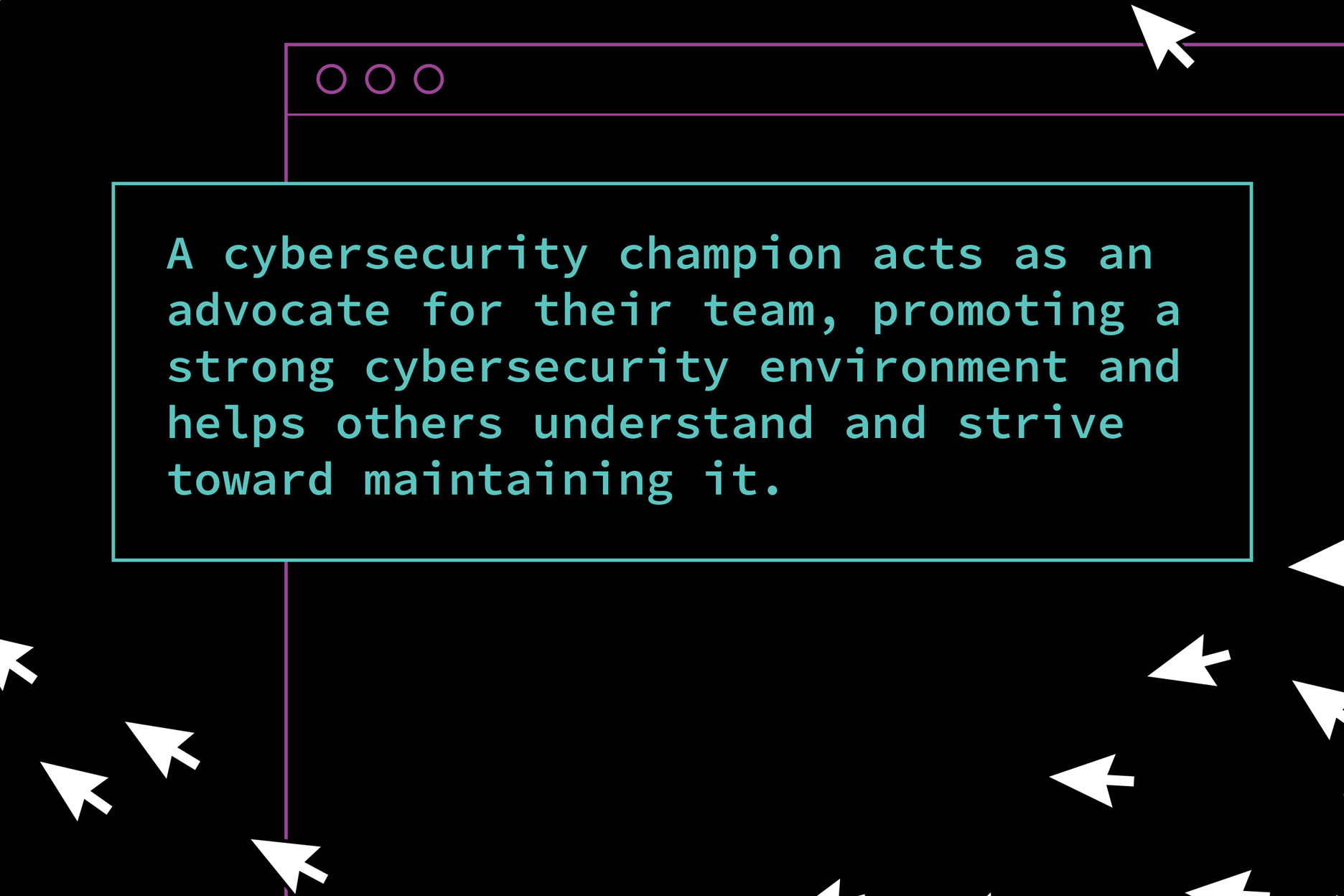
WHY CYBERSECURITY SHOULD NOT BE THE SOLE RESPONSIBILITY OF THE IT DEPARTMENT
Cybersecurity is an essential aspect of business operations, which is why it cannot be viewed as the sole responsibility of the IT department. Cybersecurity threats evolve daily and organizations can best prepare and protect themselves by taking a shared responsibility to protect the company’s assets and data.
BY Jenna Marceau
March 2023