NAPEO
For PEOs, switching season has always created a familiar year-end push. It’s the time of year employers evaluate options and work toward a clean January 1 transition.
The way that evaluation takes place is changing. AI systems deliver options and recommendations at lightning speed to match the nuances of the employer’s intent in a conversational format.
For most PEOs, this shift in buyer behavior remains largely invisible because they are not yet tracking AI visibility as part of their marketing strategy. Some leaders still believe their customers are not using AI. But Google, which receives between 8.5 billion and 16.4 billion searches every day, has already incorporated AI-generated summaries and recommendations into the top-of-page search experience. (Google calls this the biggest change in search in 25 years.) So, even if your target audience is not opening Claude or Perplexity during their work day, they are no doubt engaging AI as they evaluate providers this year.
AI search changes everything: the role of your website and, more broadly, your entire digital presence. Historically, the goal was to get a buyer to click a blue link on the SERP (Search Engine Results Page), visit your site directly, and then move toward a conversation. Now, your buyer receives summaries and guidance from AI without having to visit your site at all. Whether you are tracking AI visibility or not, it has become the gatekeeper between your brand and your buyers.
So as you’re dusting off last year’s switch campaign, AI search readiness is an issue you should also be thinking about.
A COMPETITIVE OPPORTUNITY FOR REGIONALS AND BOUTIQUES
There is another reason this shift matters, especially for boutique and regional PEOs. AI search may create a new way to compete with the large national platforms that have historically held an enormous advantage in brand awareness and digital reach.
The big platforms still benefit from scale, and that is not going away. But employers are asking AI systems increasingly specific questions to get at fit. One may ask which provider is best suited for a construction company with employees in several states. Another may dig into which PEO offers a more hands-on service experience for a growing business that has become frustrated with a large platform.
Specificity creates a competitive opportunity. A boutique PEO does not need to match a national platform’s overall volume of content or brand recognition to become relevant in a specific answer. It does need to build enough credible evidence around answers and expertise in niche and nuanced spaces.
For smaller PEOs, this new competitive landscape rewards companies that understand their niche deeply and make that expertise visible in the right places.
YOUR AI-SEARCH READINESS CHECKLIST FOR SWITCHING SEASON
If your switching-season campaign is already planned, you do not need to throw it out and start over. You do need to look at the campaign through the lens of this new evaluation environment and make sure your PEO is ready to compete there.
1. Know the questions buyers are asking before they call. Start with sales. Ask which questions come up when an employer is seriously considering a switch, particularly the ones tied to fit or frustration with a current provider. These are the questions that should drive your AI-search testing because they reflect actual buyer intent, not the keywords your marketing team hopes people are using.
Then ask those questions in the AI environments your buyers may use. Look at whether your PEO appears and how it is described. More importantly, pay attention to who does appear when you do not.
2. Test non-branded searches. Asking an AI system about your own company can tell you whether it understands your brand accurately, but that is not the same as knowing whether you are competitive in discovery.
Ask the questions your prospects would use when they do not yet know who they want to talk to. If you specialize in a particular industry, test that expertise. If buyers often come to you because they want more personal service than they received from a large provider, test the questions that reflect that need.
The goal is to understand whether AI connects your brand to the reasons employers actually choose you.
3. Look for places where smaller PEOs are already showing up. When you test those questions, do not focus only on ADP, Paychex, and the other large platforms. Watch for regional and boutique providers that make it into specific answers.
That is useful competitive intelligence. Look at what those companies seem to be known for and what sources support that position. Their visibility may reveal a niche where specificity is already overcoming the broader brand advantage of the national players.
4. Review your switching content against buyer intent. Pull out the content you plan to use this switching season and look at it from the buyer’s point of view. Does it answer what someone actually needs to understand before changing PEOs, or is it primarily built to generate a form fill?
A buyer may want to know what happens during implementation or how a January 1 transition affects benefits. They may be comparing service models or trying to understand what will be different if they leave a national platform. Those questions create opportunities for useful content that can support both the buyer and the AI system interpreting your expertise.
The more your content reflects the actual evaluation conversation, the more useful it becomes in AI search.
5. Follow the citations. When an AI answer provides sources, look at them. They show you part of the information environment shaping the recommendation.
You may find that a competitor’s article is being cited repeatedly, or that an industry publication is carrying more authority than you realized. You may also discover directories or review sites influencing answers in ways that would never show up in a traditional website analytics report.
That information can point you toward gaps in your own digital presence.
6. Audit how your company appears beyond your own site. Your website may be current while the rest of the internet is still carrying an old description of your company. Check the places where information about your PEO lives outside your own domain and make sure those sources accurately reflect how you want to be understood now.
This matters because AI systems are not forming an opinion about your company from one page. They are pulling information from a broader network of sources. When that information reinforces the same picture of your PEO, the connection between your brand and the right buyer intent becomes stronger.
7. Turn sales knowledge into searchable knowledge. Your sales team already knows the questions prospects ask when they are deciding whether to switch. They also know where your PEO has a better answer than the competition.
Look at what is being explained repeatedly in sales conversations and ask whether that expertise exists online. If one of your producers gives a great answer every time a prospect asks about a complicated transition issue, that answer should not live only in individual conversations.
Make it searchable.
That might mean expanding an FAQ or building a more substantive switching resource. The format matters less than making the expertise available in a way that can be found and understood before the sales conversation begins.
8. Build proof around the spaces you want to own. If you want AI to associate your PEO with a particular industry or type of employer, your website copy alone is unlikely to carry the full weight of that claim.
Look at what evidence supports the position. A case study can show that the expertise is real. Reviews can reinforce the experience from the client’s point of view. Earned content can connect your leadership to the topic beyond your own website.
This is especially important for boutique PEOs because you are not trying to match the national platforms on overall digital scale. You are building a deeper body of evidence around the places where your experience gives you a legitimate right to compete.
9. Establish a baseline before the season gets underway. Choose a set of questions that matter to your business and document what AI says today. Record whether your company appears, which competitors are being recommended, and what AI seems to understand about your brand.
Then keep using the same questions as you strengthen your content and digital presence.
Your existing analytics will still tell you what happens when someone reaches your website or enters your pipeline. AI visibility gives you another view: whether your company is showing up during the evaluation that happens before either of those things occurs.
START NOW, AND FOCUS WHERE YOU CAN WIN
National platforms still have enormous brand authority and years of digital presence working in their favor. But in AI search, the opportunity is more specific than that. And the sooner you get started, the greater chance you have to reach buyers through this new strategic avenue.
As buyer intent becomes more nuanced, AI systems continue to deliver answers that reflect that nuance. The opportunity is to become relevant where a broad national brand may not be the strongest fit.
This changes how smaller PEOs should think about competition. If you know which questions you want to win, make sure your digital presence gives AI enough evidence to recognize why you should. As you prepare this year’s evaluation season campaign, add AI-search readiness to the plan and focus your effort on the places where your PEO has a real competitive advantage.
-
SHARE
- Copy to clipboard
RELATED ARTICLES
2023 DIGITAL TRENDS
Lorem ipsum is simply dummy text of the printing and typesetting industry. Lorem Ipsum has been the industry’s standard dummy text ever since the 1500s, when an unknown printer took a galley of type and scrambled it to make a type specimen book. It has survived not only five centuries, but also the leap into …
BY James Joyce
June/July 2023
AI IN CYBERSECURITY: THE GOOD, THE BAD AND BEING ON THE PRECIPICE OF A NEW ERA IN TECHNOLOGY
As you might expect with cybersecurity, battlelines are being drawn between the people creating AI solutions to help protect companies and the people making AI software that is designed to find vulnerabilities in areas designed to protect data; systems; financial and personal information; intellectual property (IP); and Industrial Internet of Things (IIoT) and other IoT devices.
BY Dwayne Smith
September 2023
ASK THE EXPERT: A Q&A WITH PAUL NASH OF BEAZLEY
Paul Nash is an employment practices liability (EPL) underwriter with Beazley. He is the EPL and Safeguard product leader for both the UK and US teams and was instrumental in developing the first SAM/SML policy issued by Beazley in 2006. He has more than 30 years of experience in the insurance. He recently spoke with Paul Hughes of Libertate Insurance about the state of the EPLI market, how he has seen the PEO industry evolve and more. PEO Insider captured their conversation.
BY PAUL HUGES
August 2023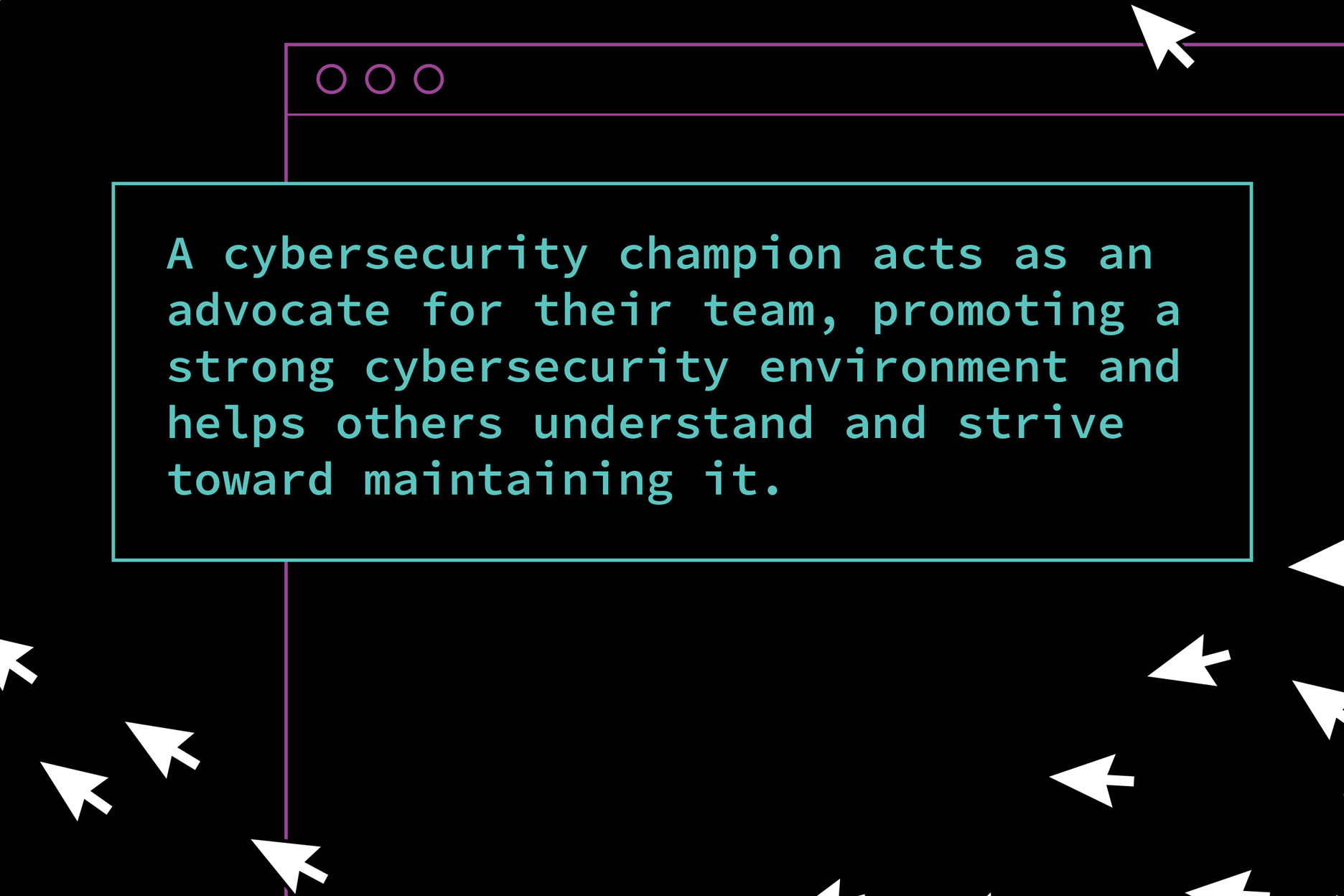
WHY CYBERSECURITY SHOULD NOT BE THE SOLE RESPONSIBILITY OF THE IT DEPARTMENT
Cybersecurity is an essential aspect of business operations, which is why it cannot be viewed as the sole responsibility of the IT department. Cybersecurity threats evolve daily and organizations can best prepare and protect themselves by taking a shared responsibility to protect the company’s assets and data.
BY Jenna Marceau
March 2023ADVERTISEMENT