NAPEO
AI FOR PEOS: SAVE TIME AND DRIVE GROWTH BY RETHINKING BENEFITS COMMUNICATION
August 2026

It’s hard to go a day without seeing something about AI. Between ever-evolving tools and a growing list of vendors who offer them, the real question becomes: where do you even start?
For PEOs, the opportunity isn’t just adopting AI. It’s using it to save time, operate faster and scale your services without adding overhead. In other words, how can AI help you work more efficiently, deliver more value to your clients and ultimately grow your business?
THE BIGGEST AI OPPORTUNITY FOR PEOS
According to SRHM, 43% of organizations now leverage AI in HR tasks. At the same time, Willis Towers Watson’s 2026 Artificial Intelligence in Health and Benefits Survey reported that employers’ top AI-in-benefits priorities are communication (68%), analytics (59%), and personalized support (57%).
What this tells us is clear: benefits communication and enrollment support represent one of the most immediate, high-impact opportunities for PEOs to apply AI. Not only are employers increasingly expecting these capabilities, but they also provide a way for PEOs to expand their offerings while saving time and reducing the burden on internal teams.
Research reinforces this shift. Willis Towers Watson notes that generative AI can significantly reduce the time and effort required to create benefits communication materials, from enrollment guides to employee education resources—helping teams move faster while maintaining accuracy and consistency.
INTEGRATING AI TOOLS INTO BENEFITS COMMUNICATION AND ENROLLMENT
As a PEO, you’re managing multiple employers with different needs and communication preferences, all while delivering clear, accurate benefits education under tight timelines and limited resources.
AI can help address that complexity in a few ways.
Simplifying complex benefits information. AI can read and summarize detailed plan documents such as summaries of benefits, plan designs, and cost structures, and convert them into clear, easy-to-understand formats like digital guides or microsites.
Delivering 24/7 support. AI-powered virtual assistants can guide employees through enrollment, answer questions in real time and provide ongoing support across channels such as text, phone or email.
Personalizing communication at scale. AI enables campaigns to be tailored to specific employee groups and triggered based on real-life events or behaviors. For example: segmenting employees by demographics or enrollment status; automating outreach during onboarding, open enrollment, and throughout the year; and, triggering communications based on life events like marriage or a new child.
This allows PEOs to deliver more relevant messaging without increasing manual workload.
Turning static communication into dynamic engagement. AI-driven tools can move benefits communication from one-time distribution to ongoing engagement. For example: automated email and text campaigns that keep employees informed year-round; personalized recommendations based on available data inputs; and, scenario modeling that helps employees better understand costs and plan options
This shift helps employees make more confident decisions and ultimately drives higher participation and better outcomes.
Reducing administrative burden while improving accuracy. AI tools can streamline repetitive tasks, reduce manual errors and free up time for more strategic work. For example: automates content creation and updates; keeps materials current as plans change; and, enables PEO teams to focus on client support and strategy.
AI can be difficult to keep up with, but the good news is PEOs don’t have to do everything at once. By starting small and incorporating time-saving AI tools into your communications strategy, you can make meaningful progress. Whether you implement one or several of the approaches outlined above, your team becomes more agile, your PEO becomes more competitive, and your clients see the value.
The most effective approach is pairing the right technology with the right partner—one who acts as an extension of your team and helps you apply AI in a way that strengthens your overall offering. AI tools combined with real-person support set your PEO up for success.
-
SHARE
- Copy to clipboard
RELATED ARTICLES
2023 DIGITAL TRENDS
Lorem ipsum is simply dummy text of the printing and typesetting industry. Lorem Ipsum has been the industry’s standard dummy text ever since the 1500s, when an unknown printer took a galley of type and scrambled it to make a type specimen book. It has survived not only five centuries, but also the leap into …
BY James Joyce
June/July 2023
AI IN CYBERSECURITY: THE GOOD, THE BAD AND BEING ON THE PRECIPICE OF A NEW ERA IN TECHNOLOGY
As you might expect with cybersecurity, battlelines are being drawn between the people creating AI solutions to help protect companies and the people making AI software that is designed to find vulnerabilities in areas designed to protect data; systems; financial and personal information; intellectual property (IP); and Industrial Internet of Things (IIoT) and other IoT devices.
BY Dwayne Smith
September 2023
ASK THE EXPERT: A Q&A WITH PAUL NASH OF BEAZLEY
Paul Nash is an employment practices liability (EPL) underwriter with Beazley. He is the EPL and Safeguard product leader for both the UK and US teams and was instrumental in developing the first SAM/SML policy issued by Beazley in 2006. He has more than 30 years of experience in the insurance. He recently spoke with Paul Hughes of Libertate Insurance about the state of the EPLI market, how he has seen the PEO industry evolve and more. PEO Insider captured their conversation.
BY PAUL HUGES
August 2023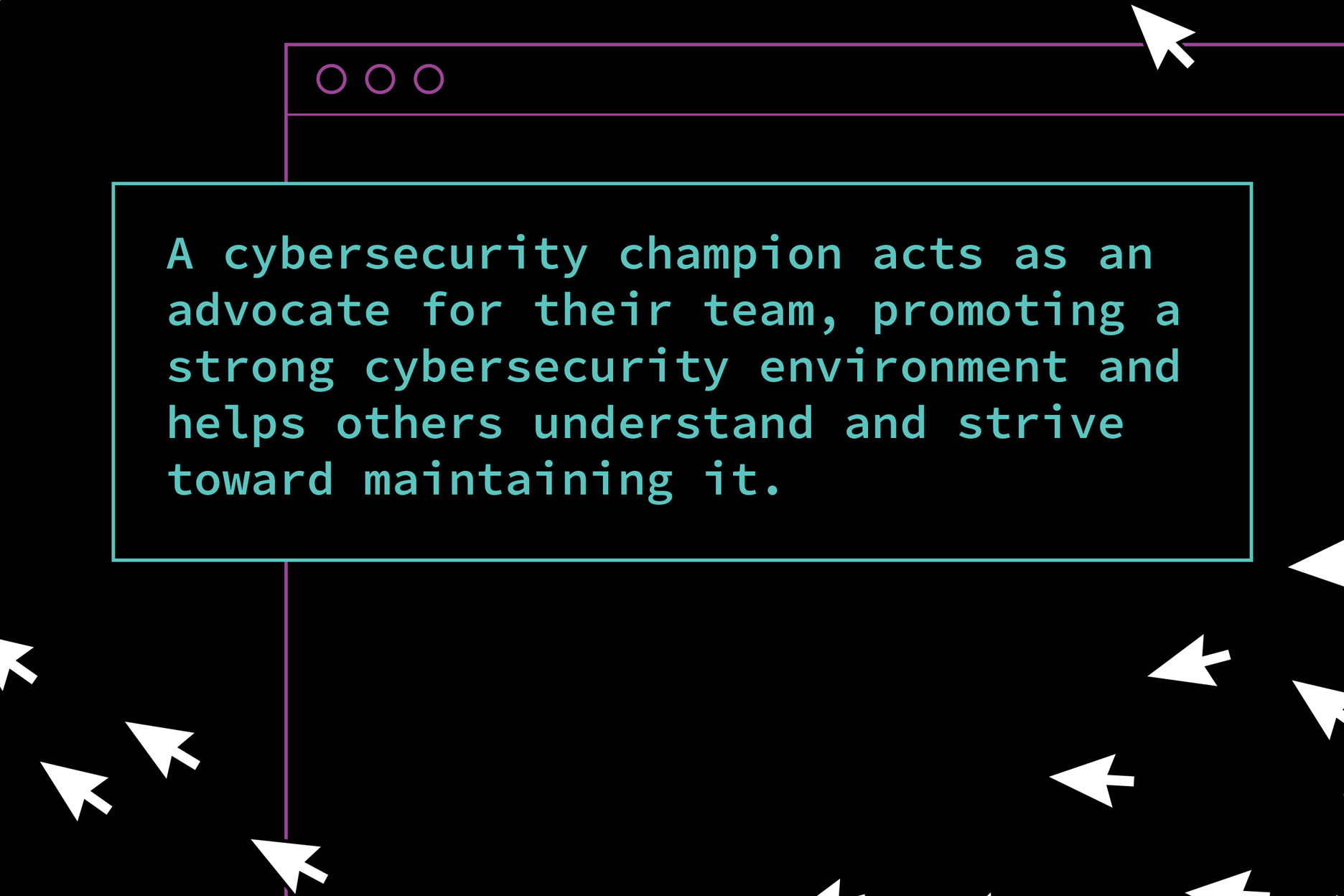
WHY CYBERSECURITY SHOULD NOT BE THE SOLE RESPONSIBILITY OF THE IT DEPARTMENT
Cybersecurity is an essential aspect of business operations, which is why it cannot be viewed as the sole responsibility of the IT department. Cybersecurity threats evolve daily and organizations can best prepare and protect themselves by taking a shared responsibility to protect the company’s assets and data.
BY Jenna Marceau
March 2023ADVERTISEMENT