
NAPEO
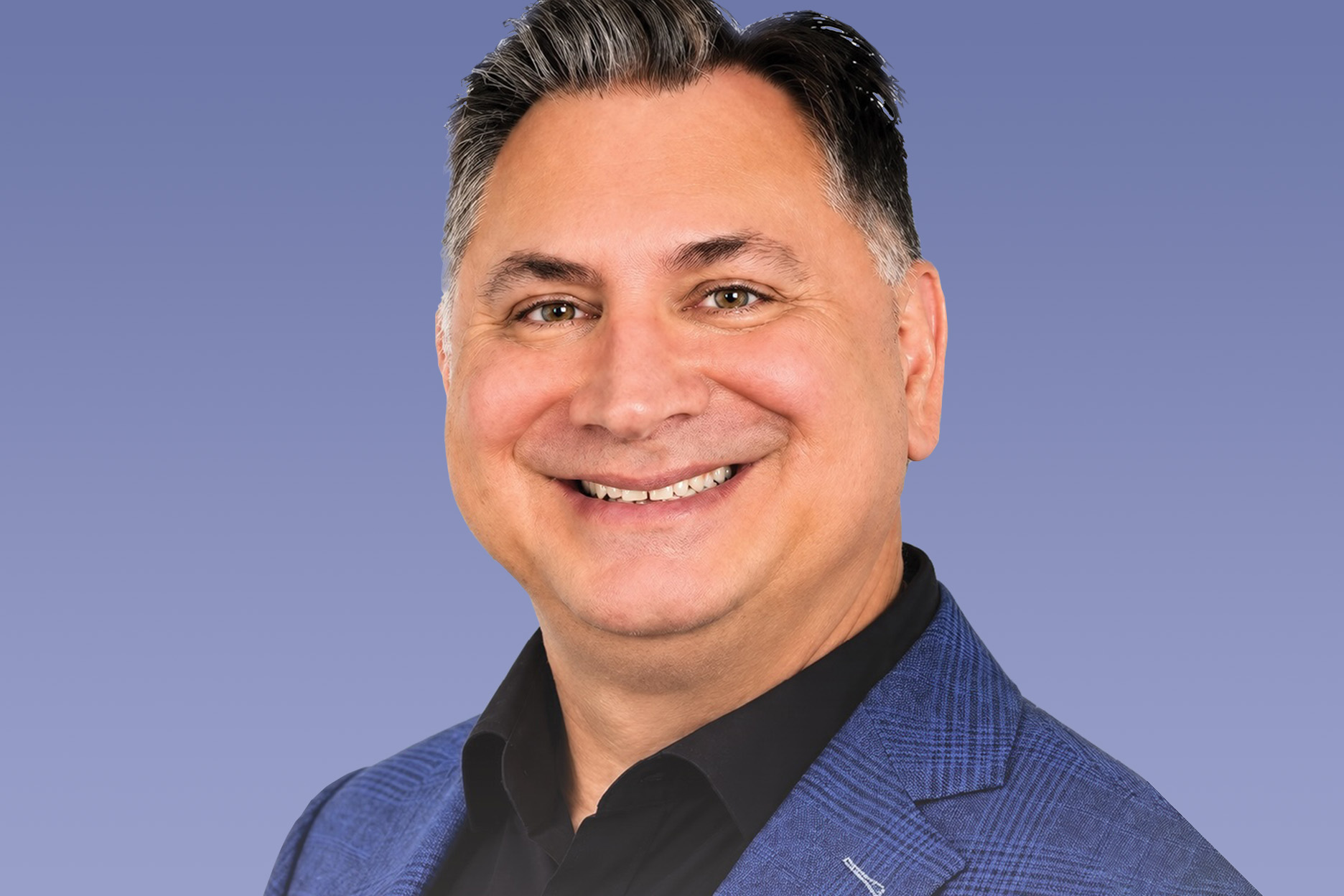
When Kevin Gramian decided to leave a successful corporate sales career and launch his own PEO in 2007, he fulfilled a lifelong dream to be his own boss.
“I always wanted to own and operate my own company,” Gramian says. “The motivation came from wanting liberty. I wanted to call the shots and work with who I wanted and not be part of a corporate bureaucracy.”
His background in corporate payroll sales exposed him to the PEO industry and he saw an opportunity to combine his experience in payroll and employee management with his entrepreneurial ambitions, particularly in California, which he believed was an underserved market.
Gramian reached out to NAPEO to learn more about the industry and the association sent him a packet of information for prospective PEO operators which eventually led him to industry consultant Dan McHenry.
A business plan and many late nights later, he had laid the groundwork for Optimum HR. Two friends who owned businesses became his first clients and the rest is history.
Nearly two decades later, Optimum HR serves hundreds of small and mid-sized business clients across California and is on a mission to serve even more.
FINDING A FOCUS
Like many business owners, Gramian discovered that entrepreneurial ambition alone is not enough to power a successful business.
Part of the challenge was figuring out exactly what kind of company Optimum HR should be. In its early years, the business offered a wide range of services, including payroll processing, PEO services, administrative services organization (ASO) services and HR consulting. The objective was understandable: Generate revenue, attract clients and build a sustainable business. But pursuing too many different opportunities came at a cost.
“We were running fast, but we weren’t focused,” Gramian says. “When you have a monthly burn rate, you start to do anything that can generate revenue. We had an identity crisis in those early days!”
Eventually, Gramian determined he needed to reevaluate the company’s direction. He began comparing the resources required to support standalone payroll and HR clients with the revenue and opportunities associated with comprehensive PEO relationships.
“I realized around 10 years into it we could not grow if you are everything to everyone,” Gramian says.
So, Optimum HR would narrow down its service offering and would concentrate on being a thriving PEO. The decision simplified its sales strategy, aligned its resources and gave the company a clearer identity. The shift required more than a marketing change. It required building the infrastructure and expertise necessary to support a comprehensive PEO offering.
For Gramian, the transformation reinforced an important lesson: Growth doesn’t necessarily come from offering more services. Sometimes it comes from becoming better at delivering the right ones.
A CALIFORNIA COMMITMENT
While many PEOs pursue growth by expanding geographically, Optimum HR has made a deliberate decision to concentrate on California. Gramian sees considerable opportunity in serving businesses throughout the state, where employers must navigate a complex and constantly evolving employment environment. California’s distinctive labor laws, regulatory requirements and litigation landscape create challenges for employers and opportunities for PEOs with specialized knowledge.
That geographic concentration is central to the company’s value proposition. Rather than attempting to build a national footprint, Optimum HR has invested in the expertise and infrastructure needed to serve California employers. Gramian believes the market offers significant room for continued growth, particularly for PEOs that understand the nuances of doing business in California. But he also recognizes that expanding a PEO requires more than simply adding clients. It demands systems, specialized talent and leaders capable of managing an increasingly sophisticated organization.
PUTTING PEOPLE IN THE RIGHT PLACES
One of the biggest challenges Gramian has faced as Optimum HR has grown is assembling the right leadership team.
“One of the most important leadership lessons I’ve learned is that building a great company requires a strong leadership team with complementary strengths,” Gramian says.
He believes successful organizations need leaders who excel at building processes, systems and organizational structure, alongside those whose strengths lie in relationships, communication and understanding people.
“No single leader can be great at everything,” he says. “The key is surrounding myself with the right people, leveraging their individual strengths, and creating a team that balances operational excellence with care for people.”
That philosophy has influenced how Gramian builds his management team and plans for the company’s future. Rather than relying exclusively on the experience that helped Optimum HR reach its current size, he has sought leaders capable of building the infrastructure needed for its next stage of growth.
One member of the leadership team has been around from the very beginning, however. Deanna Wietor was the very first employee Gramian hired and has had nearly every job in the company throughout her tenure. From her initial role as client service representative to her current role as Vice President of Client Experience, Wietor is a trusted and valued member of the team.
The company is also pursuing an organic growth strategy, reinvesting in its operations as it expands rather than relying on acquisitions. For Gramian, the objective isn’t simply to get bigger. It’s to build an organization that can grow without sacrificing the quality of its service or its internal culture.
A CULTURE OF OPPORTUNITY
Optimum HR’s emphasis on people extends beyond its leadership team. The company’s purpose statement is straightforward: “We are passionate about helping people achieve their highest potential.” At Optimum HR, that commitment begins with the employees who serve clients every day.
“If you take care of them by challenging them and providing opportunities to grow by learning and being promoted into new roles, then they will take care of the clients and the business,” Gramian says.
Internal advancement is a particular point of pride. Nearly half of Optimum HR’s employees have moved into different positions over the past three years, including roles created as the business expanded. Two employees were promoted into management positions in the past three months alone.
These opportunities reflect a broader philosophy of helping employees pursue their ambitions rather than viewing them solely through the lens of their current responsibilities. The proof is in the numbers. The company has also received repeated recognition as one of Orange County’s best places to work for the past 11 years in a row and boasts a 4.8 rating on Glassdoor.
Gramian sees those measures as reflections of an environment where employees feel supported, challenged and able to build meaningful careers. As Optimum HR grows, maintaining that environment will be increasingly important.
A business built around responsive, personalized client service depends on employees who are engaged in their work and empowered to solve problems. For Gramian, investing in employees isn’t separate from delivering excellent service. The two are inseparable.
KEEPING THE HUMAN CONNECTION
At a time when businesses across industries are embracing artificial intelligence, chatbots and automated customer service, Optimum HR is taking a decidedly human approach to its client relationships.
Gramian isn’t opposed to automation. He sees its value in improving operational efficiency and streamlining processes, but he draws a distinction between using technology to support employees and allowing it to replace personal interactions with clients.
He wants clients to continue reaching real people rather than navigating automated menus or chatbot conversations before receiving assistance.
“We want modernization where it makes sense, often in background processes, not at the most sensitive moment in the client experience,” he says.
At Optimum HR, a person answers the phone when a client calls. The company also reports an average email response time of less than two hours. But speed alone isn’t enough. Gramian emphasizes that clients need clear communication about how their questions will be handled, particularly when resolving an issue requires additional research or coordination.
If an employee cannot immediately answer a question, the expectation is to acknowledge the request, explain what happens next and establish a reasonable timeline for resolution.
The company reinforces this approach through client surveys, executive outreach and other feedback mechanisms intended to identify service gaps. Its specialized service structure also creates multiple relationships between clients and Optimum HR employees, helping establish continuity and trust. Gramian believes those relationships are especially valuable when clients face complicated or sensitive HR challenges.
The strategy reflects a simple conviction: Technology should make service better, not make people harder to reach. In an increasingly automated business environment, that personal connection has become one of Optimum HR’s defining characteristics.
NAVIGATING THE HEALTHCARE CHALLENGE
Like many PEO executives, Gramian sees rising health care costs as one of the industry’s most significant challenges. New treatments, prescription drugs and other factors continue to put pressure on benefit costs, creating difficult decisions for PEOs, their clients and employees. He believes the industry should continue exploring more tailored health plan options that better reflect the different needs of employees and employers.
“Health insurance trends are a major concern,” he says. “With new treatments and drugs, the costs are rising fast.”
Although he acknowledges there are complexities in developing more customized offerings, Gramian believes flexibility could become an increasingly important differentiator.
The company is also investing in educational content to help employers better understand these issues and the broader PEO value proposition. Through a podcast, videos and other digital content, Optimum HR addresses topics ranging from PEO fundamentals to multistate employment and health insurance. The effort is part of a broader strategy to educate prospective clients while supporting the company’s growth.
GROWING WITH PURPOSE
Looking ahead, Gramian sees considerable opportunity for continued growth in California. His focus remains on strengthening the company’s leadership, improving its systems and developing employees who can take on greater responsibility.
It’s a different perspective from the one he brought to entrepreneurship nearly 20 years ago. Back then, the goal was independence — leaving the corporate world behind and building a company on his own terms.
Today, Gramian understands that the business’s success depends less on his individual efforts than on the strength of the organization around him. He has learned the value of specialization, the importance of complementary leadership skills and the power of cultivating relationships with employees and clients.
And while the company continues to evolve, its guiding principles remain firmly rooted in the human side of business. For Optimum HR, the path to sustainable growth isn’t about being everything to everyone.
It’s about knowing what the company does best, surrounding itself with the right people and delivering the personal service that clients increasingly value.
-
SHARE
- Copy to clipboard
RELATED ARTICLES

MEET CONGRESSWOMAN ERIN HOUCHIN
Voters in Indiana’s 9th Congressional district elected Congresswoman Erin Houchin to serve in the United States House of Representatives in November 2022. In doing so, Rep. Houchin became the first woman elected to Congress from her district. She also holds the distinction of being the only person elected to Congress who has worked for a PEO.Rep. Houchin spoke to PEO Insider about her decision to seek public office, her experience working for a PEO, and the policies she champions.
BY Chris Chaney
May 2023
2023 DIGITAL TRENDS
Lorem ipsum is simply dummy text of the printing and typesetting industry. Lorem Ipsum has been the industry’s standard dummy text ever since the 1500s, when an unknown printer took a galley of type and scrambled it to make a type specimen book. It has survived not only five centuries, but also the leap into …
BY James Joyce
June/July 2023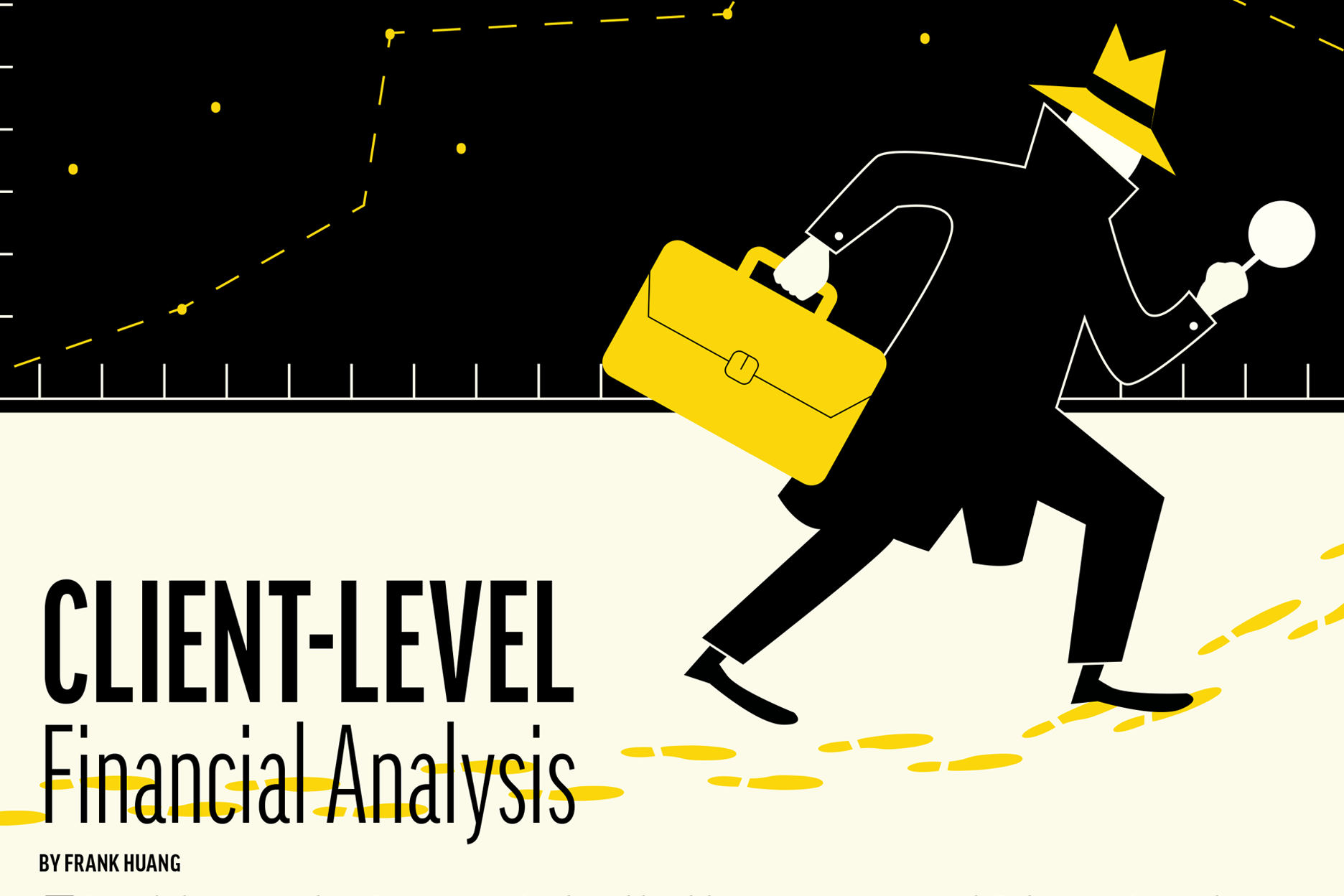
CLIENT-LEVEL FINANCIAL ANALYSIS
If you asked someone in the PEO space what he or she thought of actuarial science a positive response might be reserve analyses or accruals. A negative response might be collateral calls or rate increases. Naturally, the varied reactions stem from whether there is positive or negative news coming from the work of the actuary. Yet, one of the most helpful projects an actuary can perform for a PEO, eliciting either positive and negative reactions, is a client-level financial analysis.
BY FRANK HUANG
June/July 2023
PROFITABILITY ABCs: IT IS AS EASY AS 1-2-3
The article provides some simple guidance for streamlining operations (thus reducing selling, general, and administrative (SGA) costs) and increasing gross profit contribution from their existing client base. For the purpose of this article, we are only exploring pricing strategies that affect client profitability and operating efficiency items that impact select SG&A cost categories. Business development and organic growth are excluded from this discussion.
BY Dan McHenry
June/July 2023