
NAPEO

For years, technology in the workforce solutions industry has largely been built around a single question: What can we automate?
Today, the more important question may be: What should employers require from their solutions partner to unlock the flexibility their business demands?
Business owners and HR leaders operate in an environment where needs shift quickly. As companies grow, their workforce needs evolve, as does the balance between the resources they manage themselves and the services they rely on an external partner to provide. The right technology can streamline and connect those services, whether a business wants more control, external expertise, or a combination of both.
The level of administrative support offered should meet them where they are and evolve with them, giving businesses the flexibility to grow, adapt and change how they engage with their workforce partner over time.
EMPLOYERS NEED A FLEXIBLE AND INTUITIVE TECHNOLOGY
The next evolution of workforce technology will be less about fitting employers into predefined software models and more about giving them the ability to choose the combination of technology, services and expertise that works for them.
That means creating a workforce platform that can support the full journey, from self-service users to full HR outsourcing, with different combinations of functionality and support in between.
That also means moving beyond the traditional boundaries of what is known as a professional employer organization (PEO).
A flexible HR employer partner should be able to support an employer across a spectrum of HR technology needs with combinations of administrative services, HR support and benefits. As a company grows, changes its operating model or simply wants more or less support, its workforce solution should be able to move with it.
The future belongs to solution partners that adapt to the employer, rather than asking the employer to adapt to a restricted offering.
This is where the convergence of technology, data and AI, while still maintaining a human touch, can fundamentally change the experience.
ONE FLEXIBLE OFFERING. MORE POSSIBILITIES.
At CoAd, we will soon launch the next release of our existing platform, Project Quantum Leap.
The goal is not simply to add more features or automate individual tasks. It is to create a unified, AI-enabled technology foundation that can support different employment and service models, giving employers the flexibility to determine how they want to engage with their workforce partner.
That distinction matters.
When payroll, time and attendance, benefits, HR services, compliance and other workforce functions operate on disconnected systems, employers and service teams spend valuable time moving information between platforms and resolving issues that technology should have prevented in the first place.
A unified platform creates the opportunity for those functions to work together; with data flowing across the employee lifecycle and technology doing more of the work behind the scenes.
The result will mean a simpler experience for employers: the ability to use technology and services in the way that makes sense for their business today, while having the flexibility to evolve that approach tomorrow.
AI SHOULD ELEVATE THE VALUE OF WORK
AI will be an important part of this evolution, but the value of AI in workforce technology should not be measured by how many AI features a platform can introduce.
Its value should be measured by whether it makes people more effective, systems more efficient, and frees teams from repetitive work so they can focus on higher-value business challenges.
Imagine payroll that can identify anomalies before they become problems. Compliance technology that can help organizations navigate requirements across dozens of jurisdictions. Systems that can proactively flag potential errors rather than simply reporting them after the fact. Or an AI assistant that can help employers find answers and take action without navigating multiple systems.
These are not futuristic concepts. They represent a broader shift in how workforce technology should operate: moving from systems that require people to constantly manage them to systems that can increasingly work alongside them.
The same principle applies to human expertise. AI should not eliminate the value of experienced HR, payroll and compliance professionals. It should give those professionals better tools and better information so they can spend more time on the work where judgment and expertise matter most.
FLEXIBILITY WILL BECOME A COMPETITIVE ADVANTAGE
The workforce solutions industry has an opportunity to rethink what flexibility really means.
Flexibility is not simply offering more products or services. It is giving employers the freedom to choose the level of partnership that makes sense for their business and the ability to change that level as their needs change.
That could mean managing payroll themselves while accessing HR expertise. It could mean working with their own benefits broker within the same ecosystem. It could mean automating routine workforce administration while relying on specialists for complex issues. Or it could mean having a fully managed solution today and taking greater control tomorrow.
The key is that each of those experiences should feel like part of the same journey, rather than requiring an employer to switch platforms or rebuild its technology foundation every time its needs change.
The important thing is that employers should not have to choose a permanent path on day one.
Their workforce strategy will evolve. Their technology should be able to evolve with it; at their pace and on their terms.
THE OPPORTUNITY AHEAD
The HR industry brings together technology, expertise and services to help businesses manage one of their most important assets: their people.
The next generation of workforce partnership has an opportunity to go even further, creating a more unified, flexible experience that can meet employers wherever they are in their journey.
The opportunity is to move beyond a traditional PEO model and toward a more flexible workforce platform; one that combines the convenience of technology with the expertise of people, uses AI to anticipate needs rather than simply respond to them, and gives employers more choice in how they manage their workforce.
At CoAd, that is our philosophy: leveraging technology to enable a flexible set of solutions that can scale with employers, support different models of partnership and evolve with their workforce needs.
Because the future of HR services isn’t about choosing between technology and human expertise. It’s about bringing those possibilities together and giving employers the freedom to choose what works for them, today and as they grow.
-
SHARE
- Copy to clipboard
RELATED ARTICLES
2023 DIGITAL TRENDS
Lorem ipsum is simply dummy text of the printing and typesetting industry. Lorem Ipsum has been the industry’s standard dummy text ever since the 1500s, when an unknown printer took a galley of type and scrambled it to make a type specimen book. It has survived not only five centuries, but also the leap into …
BY James Joyce
June/July 2023
AI IN CYBERSECURITY: THE GOOD, THE BAD AND BEING ON THE PRECIPICE OF A NEW ERA IN TECHNOLOGY
As you might expect with cybersecurity, battlelines are being drawn between the people creating AI solutions to help protect companies and the people making AI software that is designed to find vulnerabilities in areas designed to protect data; systems; financial and personal information; intellectual property (IP); and Industrial Internet of Things (IIoT) and other IoT devices.
BY Dwayne Smith
September 2023
ASK THE EXPERT: A Q&A WITH PAUL NASH OF BEAZLEY
Paul Nash is an employment practices liability (EPL) underwriter with Beazley. He is the EPL and Safeguard product leader for both the UK and US teams and was instrumental in developing the first SAM/SML policy issued by Beazley in 2006. He has more than 30 years of experience in the insurance. He recently spoke with Paul Hughes of Libertate Insurance about the state of the EPLI market, how he has seen the PEO industry evolve and more. PEO Insider captured their conversation.
BY PAUL HUGES
August 2023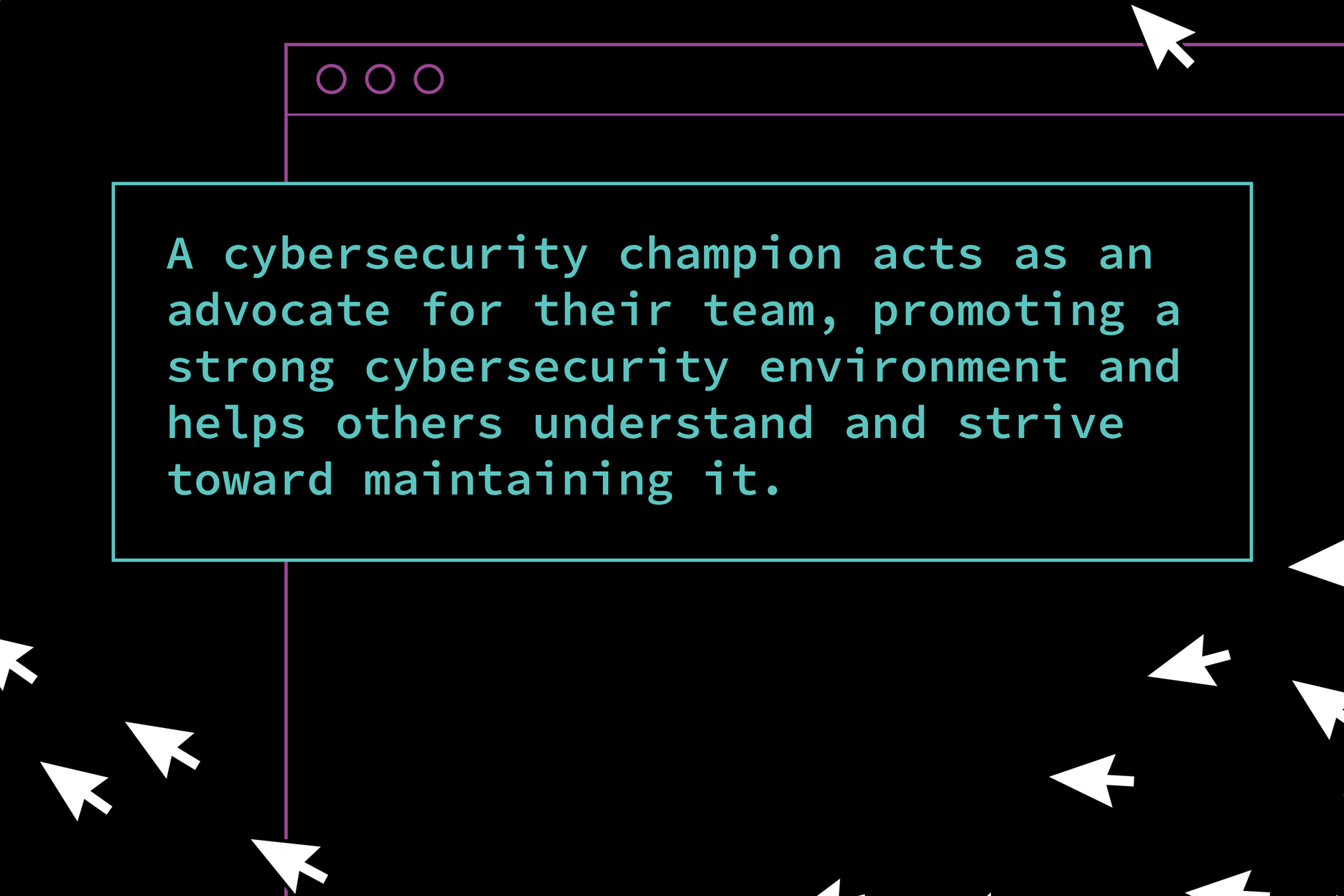
WHY CYBERSECURITY SHOULD NOT BE THE SOLE RESPONSIBILITY OF THE IT DEPARTMENT
Cybersecurity is an essential aspect of business operations, which is why it cannot be viewed as the sole responsibility of the IT department. Cybersecurity threats evolve daily and organizations can best prepare and protect themselves by taking a shared responsibility to protect the company’s assets and data.
BY Jenna Marceau
March 2023