
NAPEO
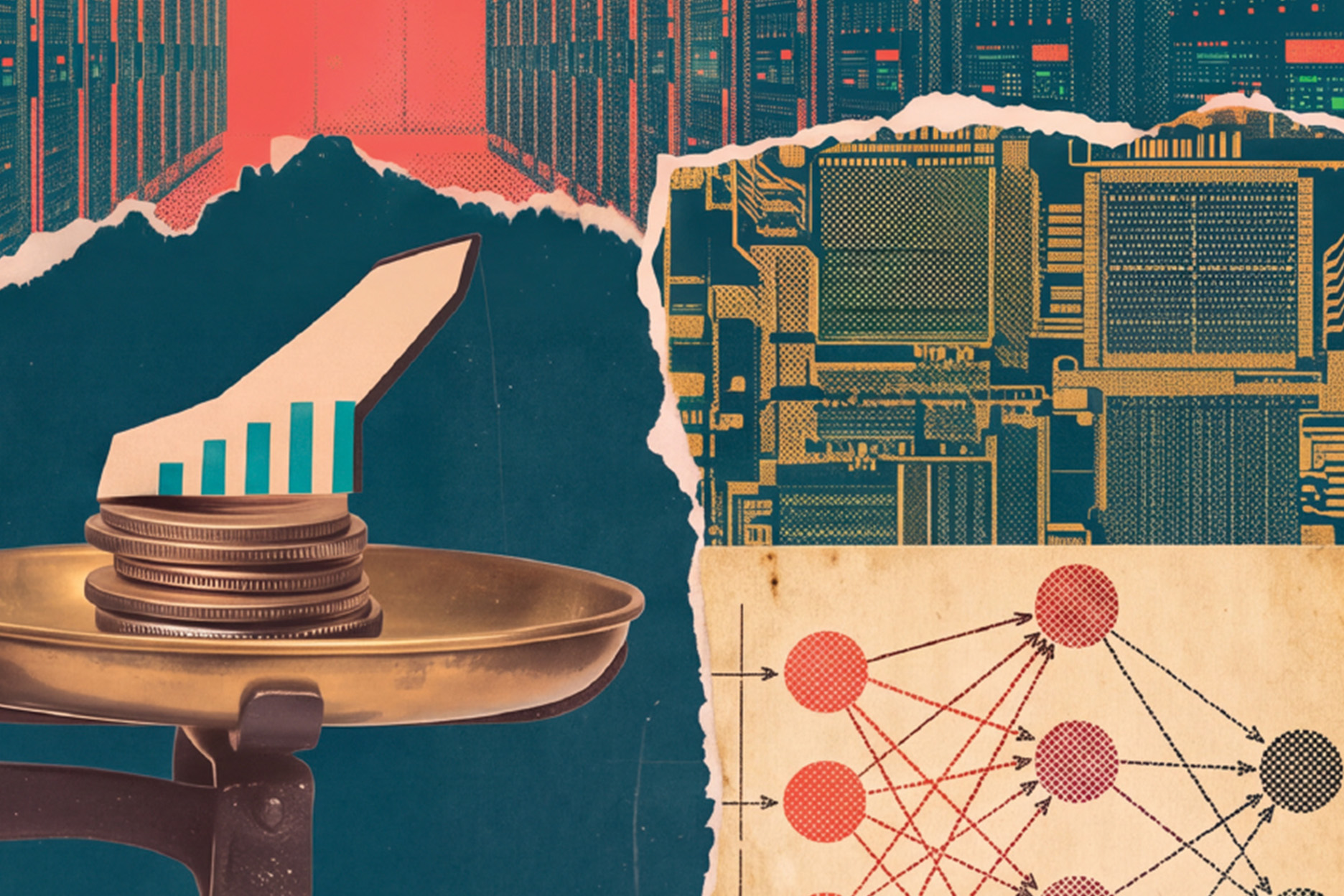
AI is making work cheaper, but cheaper work does not automatically mean fewer workers. It can also mean more customers, more viable businesses and more demand for the services those businesses provide.
For PEOs, that distinction matters. AI could expand the market for outsourced employment services while changing how much labor each client needs. Meanwhile, the investment boom surrounding AI is already supporting economic activity well beyond technology.
THE EMPLOYMENT PICTURE
Our May paper, Reassessing the Economic Consequences of AI, makes two central arguments.
First, capability is only part of the automation equation. More sophisticated AI agents require computing capacity, electricity and repeated model use. Falling costs per interaction can be offset by longer, more complicated workflows. A system capable of doing a job still has to make economic sense when deployed at scale.
The practical comparison is the cost of completing reliable work, including integration and human review. Impressive demonstrations do not settle that calculation.
Second, making a service cheaper can expand demand for it. This is the logic behind Jevons paradox: greater efficiency can increase total consumption. Cheaper software development can make additional projects viable. Faster customer service can make smaller accounts economical to support. Lower administrative costs can make starting a business more attractive.
We have seen recovering job postings in several AI-exposed occupations and corporate commentary emphasizing worker productivity as supporting evidence.
That creates a plausible path toward more employment, although it is not automatic. Within a particular service, demand must expand enough to offset the reduction in labor needed per unit of output. Individual occupations can shrink even as the broader economy grows.
Recent small business evidence supports the expansion argument. Gusto (a NAPEO member company) in a September analysis found that headcount rose roughly 7% relative to comparable nonadopters during the year following AI adoption, with the strongest gains among firms with fewer than ten employees. These were observational findings, so they do not prove AI caused the hiring. Still, they challenge the assumption that adoption necessarily means smaller teams.
THE ECONOMY IS MORE EXPOSED THAN IT LOOKS
A separate paper of ours, The AI Economy, argues that the boom’s economic footprint extends well beyond technology investment itself.
Imported hardware limits the domestic production captured by that spending. It does not erase the surrounding demand for construction, electrical systems, cooling, engineering, and other services. AI infrastructure creates work for businesses that may have little direct involvement with AI software.
The paper also highlights two less obvious channels:
- Household spending. Rising equity wealth can support consumption even when income growth is less impressive.
- Government revenues. Higher stock compensation and realized capital gains can strengthen tax receipts in states exposed to the technology sector.
These effects can eventually appear in GDP through consumption and other spending. The issue is that a narrow calculation of AI investment’s direct contribution misses the broader chain of economic exposure.
The same connections work in reverse. A pullback in AI investment or equity prices could weaken contractors, suppliers, consumer businesses and public finances together. Long-term productivity gains could still materialize while near-term spending disappoints. The paper also cautions that financial markets may already price in much of the eventual productivity payoff.
WHAT THIS MEANS FOR PEOS
The opportunity is substantial, but capturing it requires more than assuming AI will eventually produce additional WSEs.
Four things matter.
1.) Separate business formation from headcount growth. More businesses can mean more prospective clients, while leaner operating models can mean fewer worksite employees per account. Per-employee fees capture additional workers; payroll-based fees also capture wage growth. Neither automatically captures higher output per worker. Track new accounts, same-store WSE growth and revenue per client separately.
2.) Follow the spending into the client base. Electrical contractors, cooling specialists, engineering firms and other infrastructure suppliers are logical prospecting targets. Look through industry labels to customers and projects. Several apparently unrelated clients may depend on the same data-center development, creating more concentration than the client list suggests.
3.) Make AI implementation a service opportunity. Small employers need help redesigning jobs, training managers, setting employee-use policies and deciding where human review belongs. PEOs can package that support alongside payroll, benefits and recruiting. The useful outcome is a client that can grow without adding administrative complexity.
4.) Measure the PEO’s own economics. Automating onboarding, document preparation and routine inquiries could increase the number of clients each service team supports. Measure cost per resolved issue, error rates and retention after including software and review costs. More AI usage is not itself a margin improvement.
Competitive pressure is already arriving. That suggests convenience and integration will increasingly shape client expectations. A standalone chatbot will be a weak differentiator.
The risk to watch is that clients become more productive without expanding payroll, while competitors make basic administration cheaper.
The signal to watch is whether AI adoption translates into additional customers, new employer businesses and sustained WSE growth. If it does, PEOs gain both a larger market and a cheaper way to serve it. If it does not, the near-term payoff will depend more heavily on service efficiency, differentiated advice and client retention.
-
SHARE
- Copy to clipboard
RELATED ARTICLES
2023 DIGITAL TRENDS
Lorem ipsum is simply dummy text of the printing and typesetting industry. Lorem Ipsum has been the industry’s standard dummy text ever since the 1500s, when an unknown printer took a galley of type and scrambled it to make a type specimen book. It has survived not only five centuries, but also the leap into …
BY James Joyce
June/July 2023
AI IN CYBERSECURITY: THE GOOD, THE BAD AND BEING ON THE PRECIPICE OF A NEW ERA IN TECHNOLOGY
As you might expect with cybersecurity, battlelines are being drawn between the people creating AI solutions to help protect companies and the people making AI software that is designed to find vulnerabilities in areas designed to protect data; systems; financial and personal information; intellectual property (IP); and Industrial Internet of Things (IIoT) and other IoT devices.
BY Dwayne Smith
September 2023
ASK THE EXPERT: A Q&A WITH PAUL NASH OF BEAZLEY
Paul Nash is an employment practices liability (EPL) underwriter with Beazley. He is the EPL and Safeguard product leader for both the UK and US teams and was instrumental in developing the first SAM/SML policy issued by Beazley in 2006. He has more than 30 years of experience in the insurance. He recently spoke with Paul Hughes of Libertate Insurance about the state of the EPLI market, how he has seen the PEO industry evolve and more. PEO Insider captured their conversation.
BY PAUL HUGES
August 2023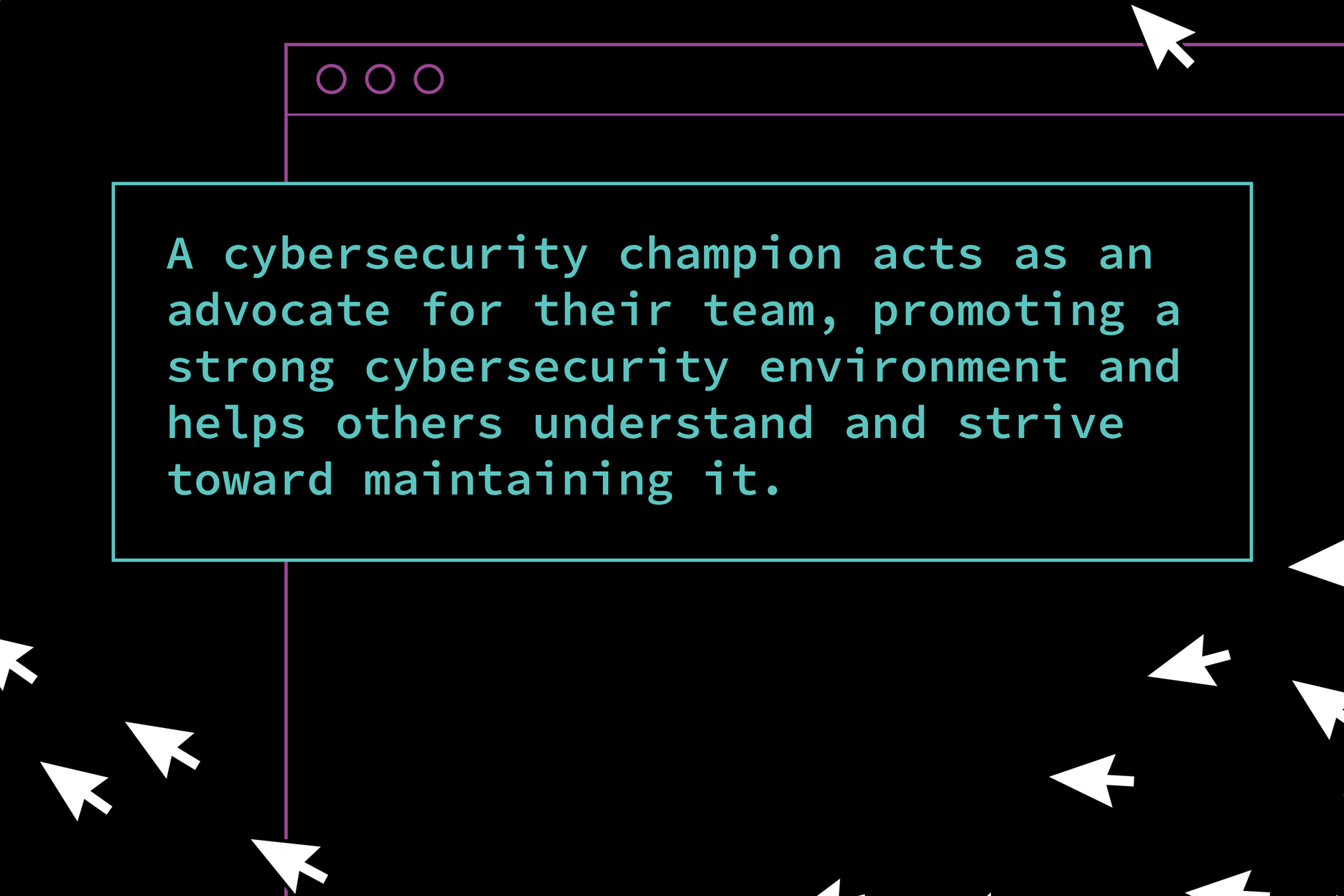
WHY CYBERSECURITY SHOULD NOT BE THE SOLE RESPONSIBILITY OF THE IT DEPARTMENT
Cybersecurity is an essential aspect of business operations, which is why it cannot be viewed as the sole responsibility of the IT department. Cybersecurity threats evolve daily and organizations can best prepare and protect themselves by taking a shared responsibility to protect the company’s assets and data.
BY Jenna Marceau
March 2023