NAPEO
For PEOs, healthcare has always been a benefit in more ways than one. It is often one of the clearest, most tangible ways our industry helps small and mid-sized businesses compete for talent, take care of employees and manage complexity they could not reasonably shoulder alone.
Many of you will remember how the policy debates and media coverage around the Affordable Care Act created an inflection point for the PEO industry. As employers grappled with new rules and obligations, PEOs were there with expertise and solutions.
Today, healthcare and employee benefits still play a major role in PEO operations and sales, so much so that during our CEO retreat this April, rising healthcare costs was cited as the top concern of PEO executives.
The industry’s ability to offer cheaper healthcare is at risk, driven in part by rising provider reimbursement rates, higher prescription drug spending (think GLP-1s), increased utilization of services, growth in high-cost claims from specialty drugs and labor shortages within the healthcare system. The challenge facing PEOs is to ensure clients recognize the full PEO value proposition and not distill it down to cheap healthcare.
Apart from healthcare and benefits, PEOs also help businesses manage an increasingly complicated employment landscape across compliance, payroll, retirement plans, workforce expectations and technology. That is why NAPEO’s engagement with policymakers is so important. The better policymakers understand the PEO model, the better they can appreciate how their decisions affect not only our members, but the hundreds of thousands of businesses and millions of worksite employees our industry supports.
NAPEO has made meaningful progress in deepening that engagement this year. One important example is our ongoing dialogue with the IRS. In March, NAPEO began monthly meetings with IRS officials who oversee Employee Retention Tax Credit (ERTC) processing. These conversations give us a regular forum to raise your concerns, share practical feedback and reinforce the need for efficient and accurate administration of ERTC claims. Perhaps more importantly, the IRS officials have welcomed our engagement, asked insightful questions and asked us to communicate important updates on their behalf. This includes the bifurcation of claims whereby portions of a Form 941-X that include ERTC claims may be disbursed while other portions remain under examination. I appreciate Kara Childress of Vensure for first learning of this development and sharing the information with NAPEO members.
We have also met with officials at the Department of Labor (DOL) regarding Form 5500 issues, including Assistant Secretary Daniel Aronowitz who also offered a keynote address at PEO Capitol Summit. Our conversations with DOL have allowed us to explain those concerns directly and constructively, while continuing to advocate for practical solutions. Assistant Secretary Aronowitz appreciated our input and perspective.
These meetings are not simply one-off events or the product of luck. They are a prime example of our strategic plan in action to deliver a favorable policy environment for PEOs. Advocacy is often most visible when there is a major legislative fight or regulatory proposal, but some of the most important progress happens through consistent relationship-building and education.
Healthcare is a fitting theme for this issue because it illustrates both where the PEO industry has been and where it is going. The Affordable Care Act era helped introduce many employers to the PEO model. Today, our industry’s role is broader and more sophisticated. We help businesses offer competitive benefits, manage risk and focus on growth.
NAPEO’s job is to make sure decisionmakers everywhere – from Wall Street to Main Street to Pennsylvania Avenue – understand that story. This year, we have taken important steps forward and we will continue building on that momentum on behalf of our members and the businesses they serve.
-
SHARE
- Copy to clipboard
RELATED ARTICLES

MEET CONGRESSWOMAN ERIN HOUCHIN
Voters in Indiana’s 9th Congressional district elected Congresswoman Erin Houchin to serve in the United States House of Representatives in November 2022. In doing so, Rep. Houchin became the first woman elected to Congress from her district. She also holds the distinction of being the only person elected to Congress who has worked for a PEO.Rep. Houchin spoke to PEO Insider about her decision to seek public office, her experience working for a PEO, and the policies she champions.
BY Chris Chaney
May 2023
2023 DIGITAL TRENDS
Lorem ipsum is simply dummy text of the printing and typesetting industry. Lorem Ipsum has been the industry’s standard dummy text ever since the 1500s, when an unknown printer took a galley of type and scrambled it to make a type specimen book. It has survived not only five centuries, but also the leap into …
BY James Joyce
June/July 2023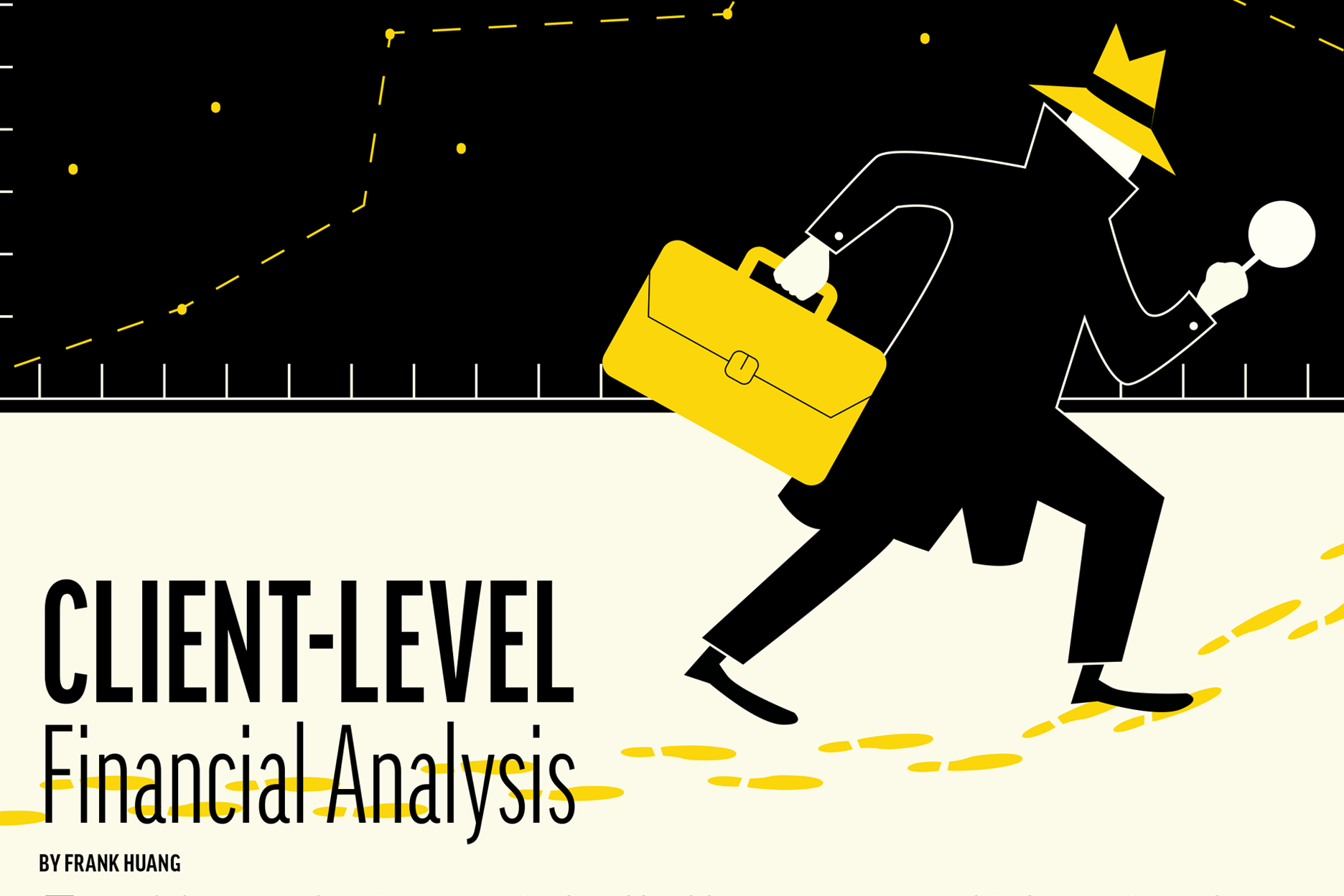
CLIENT-LEVEL FINANCIAL ANALYSIS
If you asked someone in the PEO space what he or she thought of actuarial science a positive response might be reserve analyses or accruals. A negative response might be collateral calls or rate increases. Naturally, the varied reactions stem from whether there is positive or negative news coming from the work of the actuary. Yet, one of the most helpful projects an actuary can perform for a PEO, eliciting either positive and negative reactions, is a client-level financial analysis.
BY FRANK HUANG
June/July 2023
PROFITABILITY ABCs: IT IS AS EASY AS 1-2-3
The article provides some simple guidance for streamlining operations (thus reducing selling, general, and administrative (SGA) costs) and increasing gross profit contribution from their existing client base. For the purpose of this article, we are only exploring pricing strategies that affect client profitability and operating efficiency items that impact select SG&A cost categories. Business development and organic growth are excluded from this discussion.
BY Dan McHenry
June/July 2023ADVERTISEMENT